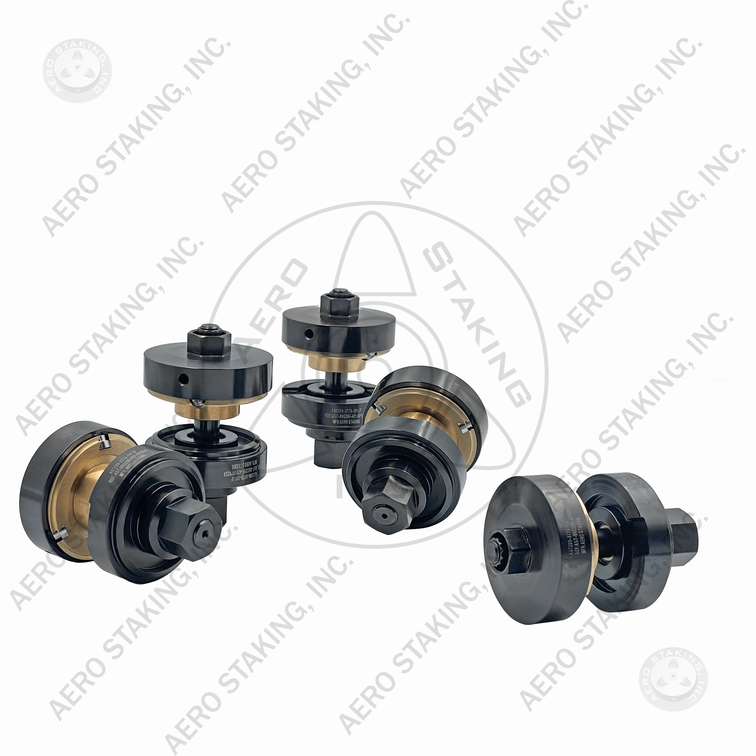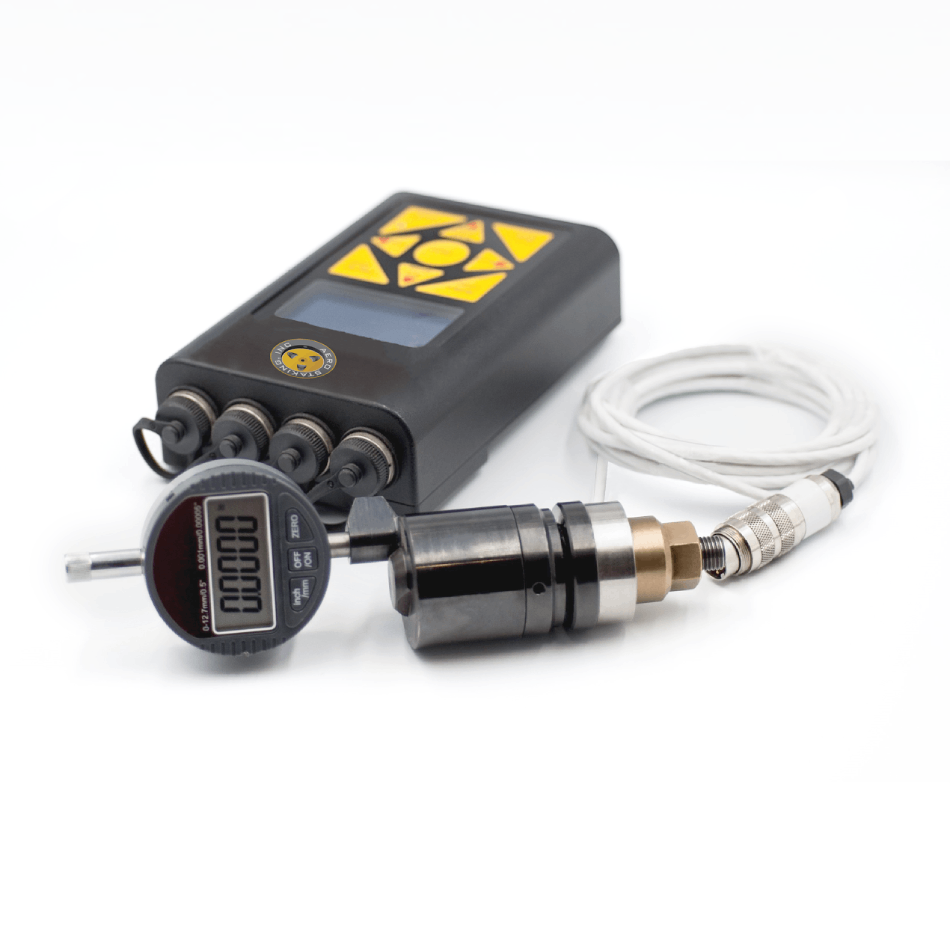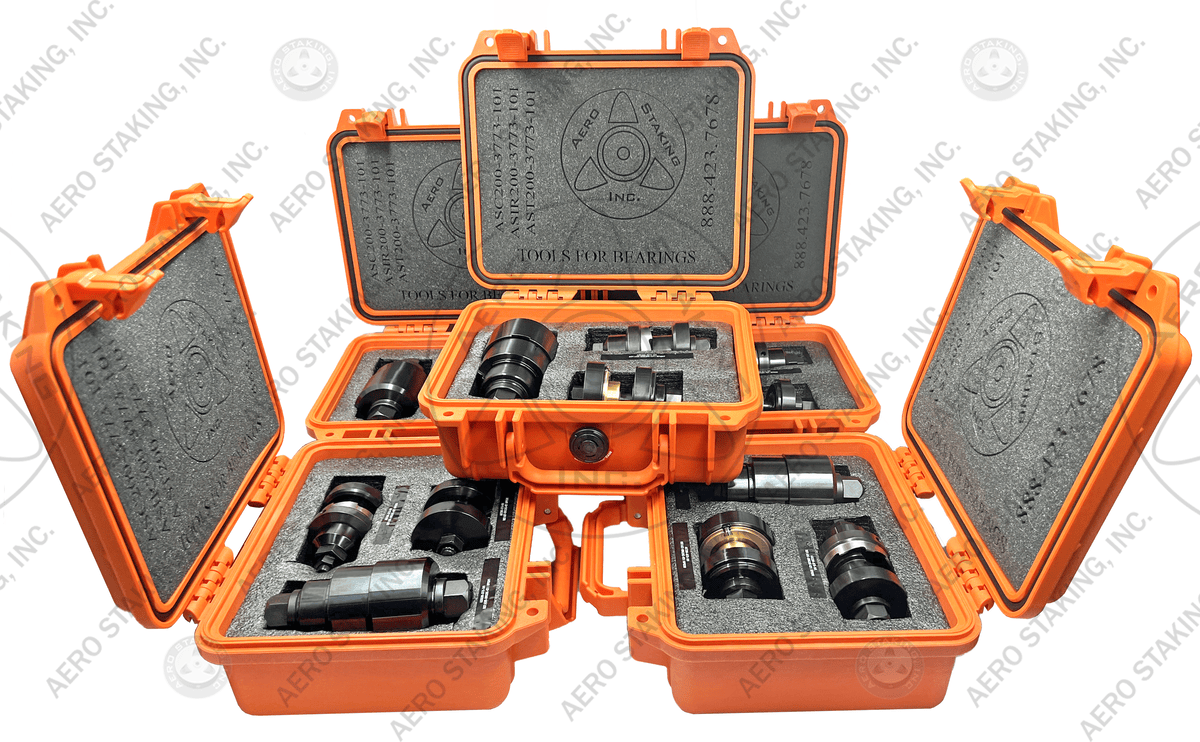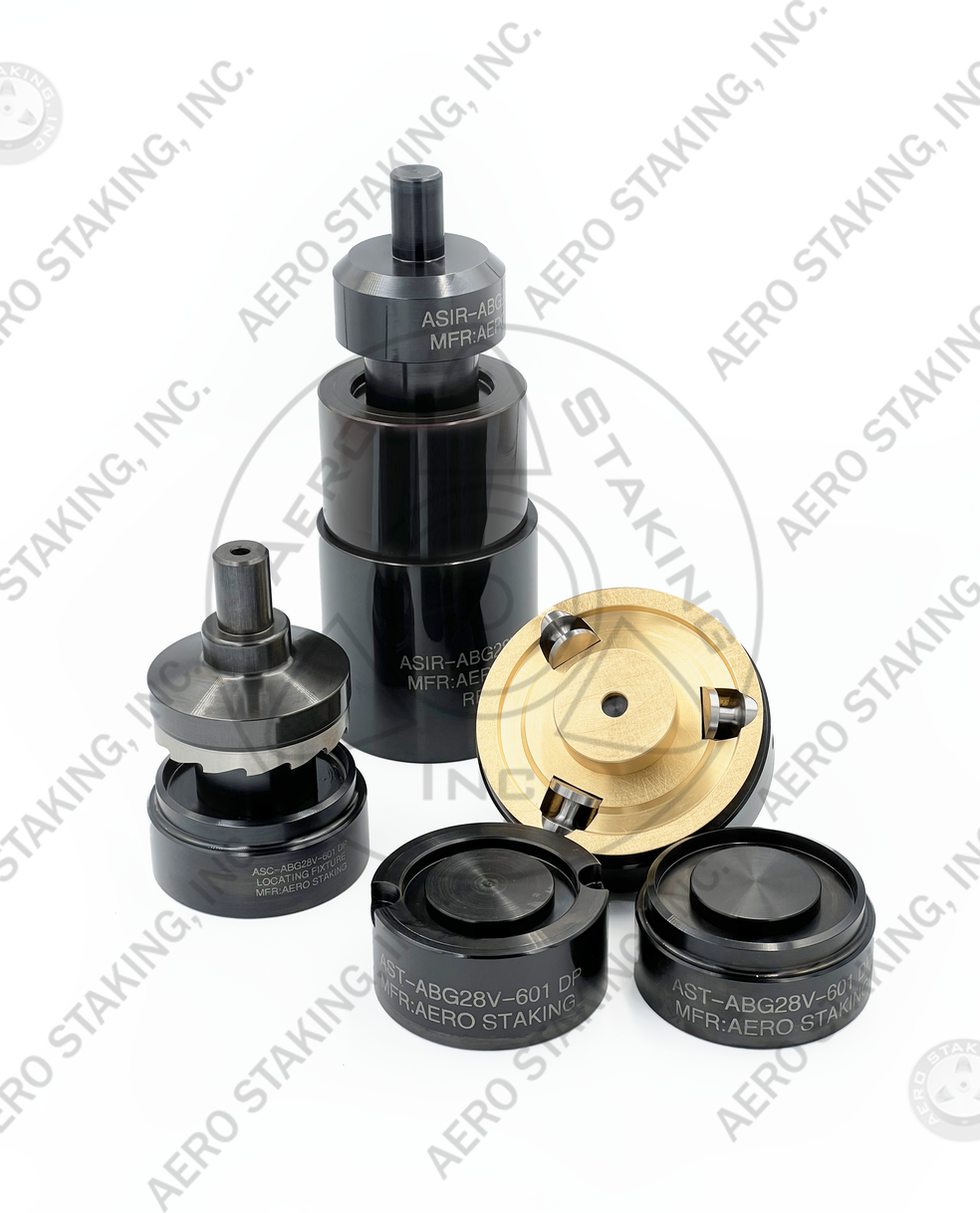


Precision Forming Tools for Aerospace & Bearing Applications
Precision forming tools are essential in aerospace and high-performance manufacturing processes where material deformation must be controlled with absolute accuracy. These tools are designed to shape, form, and secure components without compromising structural integrity or performance.
At Aerostaking, we develop forming tools engineered to meet the strict requirements of aerospace, defense, and industrial applications, ensuring repeatability, durability, and compliance with critical specifications.
What Are Forming Tools?
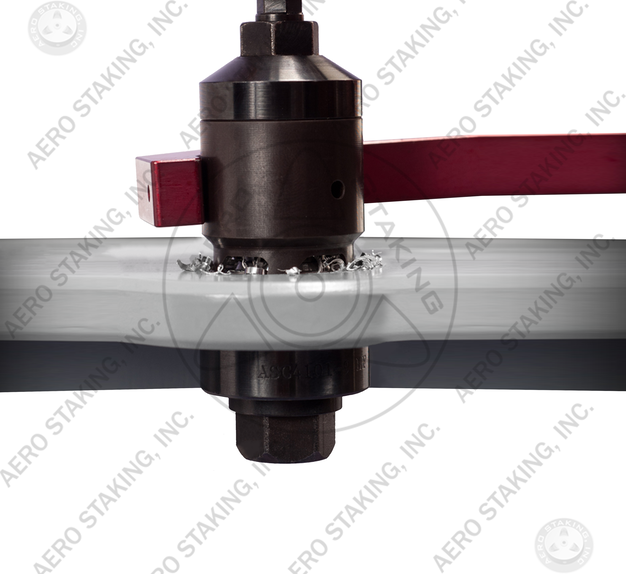
Forming tools are specialized devices used to deform materials into a desired shape through controlled force. Unlike cutting processes, forming maintains material continuity, making it ideal for applications where strength and integrity are critical.
In aerospace and precision manufacturing, forming tools are commonly used for:
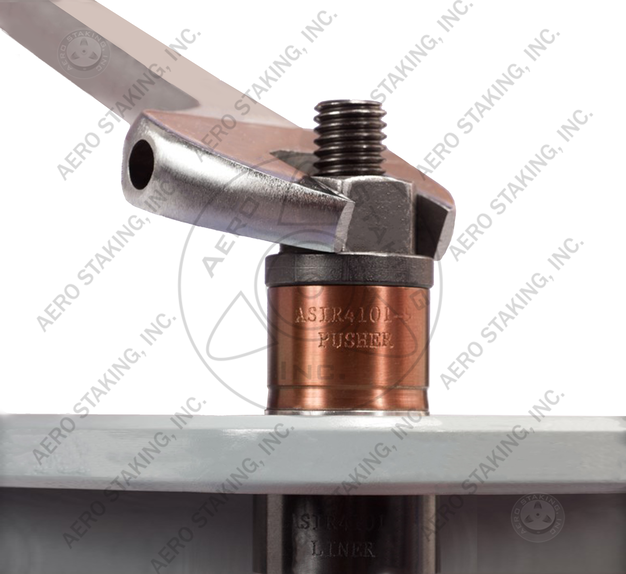
- Bearing installation and retention
- Component shaping and assembly
- Controlled material displacement
These processes require exact tolerances and consistent results, making tool design a critical factor in performance.

Types of Forming Tools
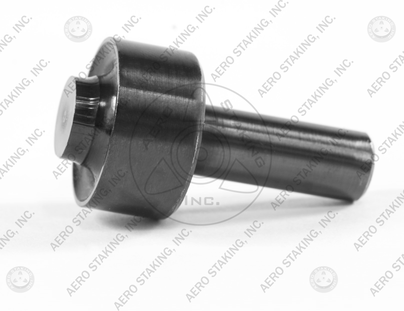
Bearing Forming Tools
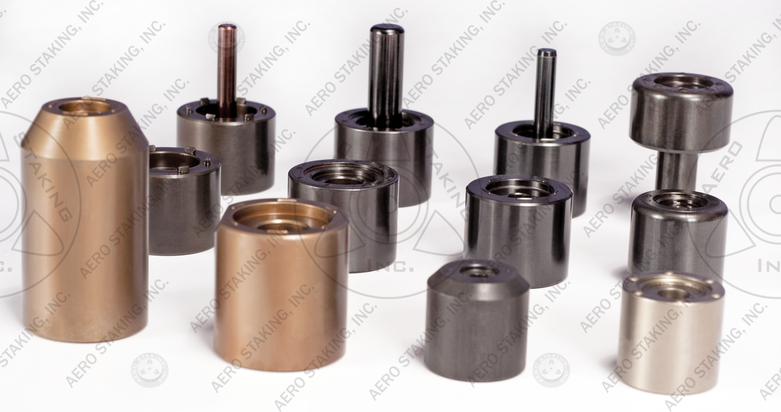
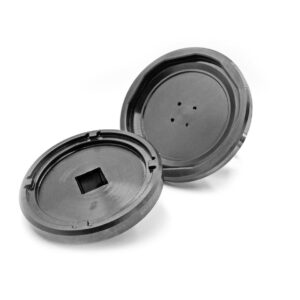
Aerospace Forming Tools
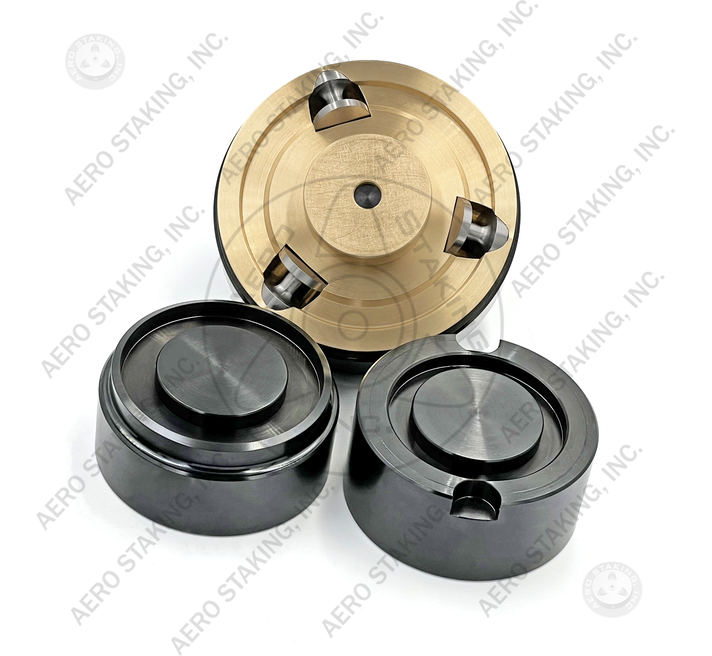
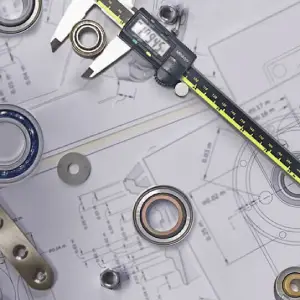
Custom Forming Tools
Key Features of Precision Forming Tools
High-quality forming tools are defined by their ability to deliver consistent, accurate results under demanding conditions.
Key features include:
- High Precision: Tight tolerance control for critical applications
- Material Compatibility: Designed to work with various alloys and aerospace-grade materials
- Repeatability: Consistent performance across production cycles
- Durability: Built to withstand high loads and extended use
- Controlled Force Application: Ensures proper deformation without material damage
Applications Across Industries
Aerospace
Used in assemblies requiring strict tolerances and high resistance to vibration and stress.
Defense
Applied in systems that demand durability and compliance with military standards.
Industrial Manufacturing
Used in high-volume production environments where consistency and efficiency are critical.
Why Custom Forming Tools Matter
Standard tools may not always meet the unique requirements of specialized applications. Custom forming tools are engineered to address specific challenges, including:
- Unique component geometries
- Specialized materials
- Tight tolerance requirements
- High-performance environments
Custom tooling ensures that forming processes meet exact specifications while improving efficiency and reducing the risk of failure.
Forming Tools vs. Staking Tools
While both forming and staking tools involve material deformation, they serve different purposes in assembly processes.
- Forming Tools: Shape or modify material to achieve a specific geometry
- Staking Tools: Deform material to secure a component in place
Understanding the difference is essential for selecting the right solution for your application.

Engineering Considerations for Forming Tools
Material Properties
Different materials respond differently to forming forces, requiring precise tool design to avoid damage or inconsistencies.
Tolerances
Maintaining tight tolerances is critical for ensuring proper fit and function in precision assemblies.
Force Control
Process Consistency
Reliable tooling ensures repeatable results across multiple production cycles.
Frequently Asked Questions (FAQs)
What are forming tools used for?
What is the difference between forming and staking?
Are forming tools customizable?
What industries use forming tools?
Why is precision important in forming tools?
Conclusion
Contact Us