



Aerospace Staking Specifications & Industry Standards
Overview of Staking Specifications
Staking specifications outline the parameters required to achieve consistent and reliable material deformation when securing components such as bearings into housings. These specifications typically vary based on application requirements, material properties, and load conditions.
In aerospace environments, staking must meet strict criteria to ensure:
- Proper mechanical retention
- Controlled material displacement
- Long-term resistance to vibration and stress
Understanding these variables is critical for engineers and manufacturers working with precision assemblies.
Staking Specification Tables
The following tables summarize key staking specifications used across aerospace and industrial applications. These values are based on standard engineering practices and are intended to provide general guidance for bearing retention and material deformation.
| Airbus | 01-05-26/03-03-012 |
|---|---|
| Agusta | STA100-81-62 |
| Bell Helicopter | BPS4162 |
| Boeing | BAC 5435 / PS17031 |
| Bombardier | BAPS175-004 / PPS12.06/ 20-10-40 |
| Cessna | CSMP023 |
| Eclipse Aviation | EAC P1018 |
| Embraer | NE31-002 |
| Fairchild | SP1613 |
| General Dynamic | M017 |
| Goodrich Aerospace | RPS20.03 |
| Gulfstream | GAB14E |
| Lockheed | DS5133 / LMA-PB023B |
| McDonnell Douglas | STP0542 |
| Northrop | FH-19 |
| Sikorsky | SS8743 |
| Vought | CVA13-180 |
| Government | MIL-STD-1599 |
| NAVAIR 01-1A-5 | |
| M-1500-322-24 | |
| T.O. 44B-1-122 | |
| NAS 0331 Method 100 and 200 |
| AIRBUS | 03-03-012 |
|---|---|
| AGUSTA | STA100-81-62 |
| BELL HELICOPTER | BPS4162 |
| BOEING | BAC 5435 / PS17030 / PS17005 |
| BOMBARDIER | BAPS175-000 / BAPS175-003 |
| CESSNA | CSMP023 |
| CIRRUS | 90021 |
| ECLIPSE AVIATION | EAC P1018 |
| EMBRAER | NE31-003 / 20-40-03 |
| FAIRCHILD | SP1613 |
| GENERAL DYNAMIC | M017 |
| GOODRICH AEROSPACE | RPS20.03 |
| GULFSTREAM | GA469 |
| LOCKHEED | DS5026 / LMA-PB023B |
| MCDONNELL DOUGLAS | STP0542 / DPS1.33 |
| NORTHROP GRUMMAN | FH-19 |
| SIKORSKY | SS8743 |
| VOUGHT | CVA13-180 |
| GOVERNMENT | MIL-STD-1599 |
| NAVAIR 01-1A-5 | |
| M-1500-322-24 | |
| T.O. 44B-1-122 | |
| NAS 0331 Method 300 and 400 |
| AIRBUS | 03-03-012 |
|---|---|
| AGUSTA | STA100-81-62 |
| BOEING | BAC 5435 |
| ECLIPSE AVIATION | EAC P1018 |
| EMBRAER | 20-40-03 |
| FAIRCHILD | SP1613 |
| GOVERNMENT | MIL-STD-159 |
| NAVAIR 01-1A-5 | |
| M-1500-322-24 | |
| T.O. 44B-1-122 | |
| NAS 0331 Method 500 |
MIL-SPEC & Industry Standards for Staking
In aerospace and defense applications, staking processes are often governed by strict industry standards such as MIL-SPEC requirements. These standards define acceptable tolerances, deformation limits, and inspection criteria to ensure consistent performance under demanding conditions.
Common considerations within these standards include:
- Minimum and maximum deformation limits
- Surface integrity after staking
- Load retention capabilities
- Repeatability across production runs
Adhering to these standards helps ensure that components perform reliably in high-stress and safety-critical environments.
Engineering Considerations for Staking
Material Behavior During Staking
Different materials respond uniquely to staking forces. Factors such as hardness, ductility, and grain structure influence how the material deforms and retains the component.
Tolerances and Deformation Limits
Precise control of deformation is critical. Excessive staking can damage components, while insufficient deformation may result in poor retention.
Load Retention Requirements
Applications with high vibration or dynamic loads require tighter control over staking parameters to maintain long-term stability.
Risk of Improper Staking
Incorrect staking can lead to premature failure, component loosening, or structural compromise, especially in aerospace environments.
How Tooling Impacts Staking Specifications
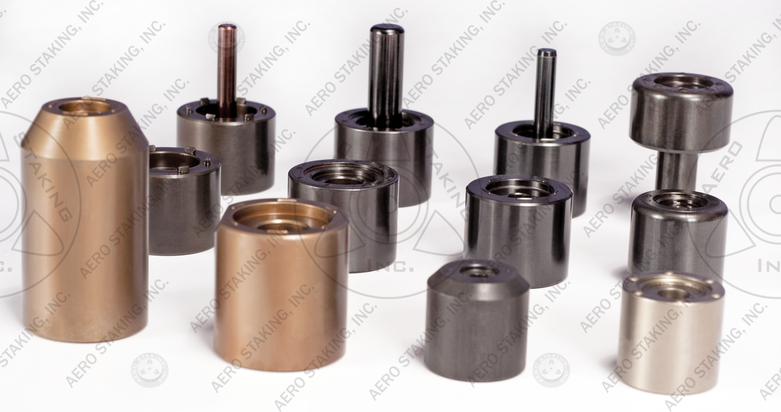
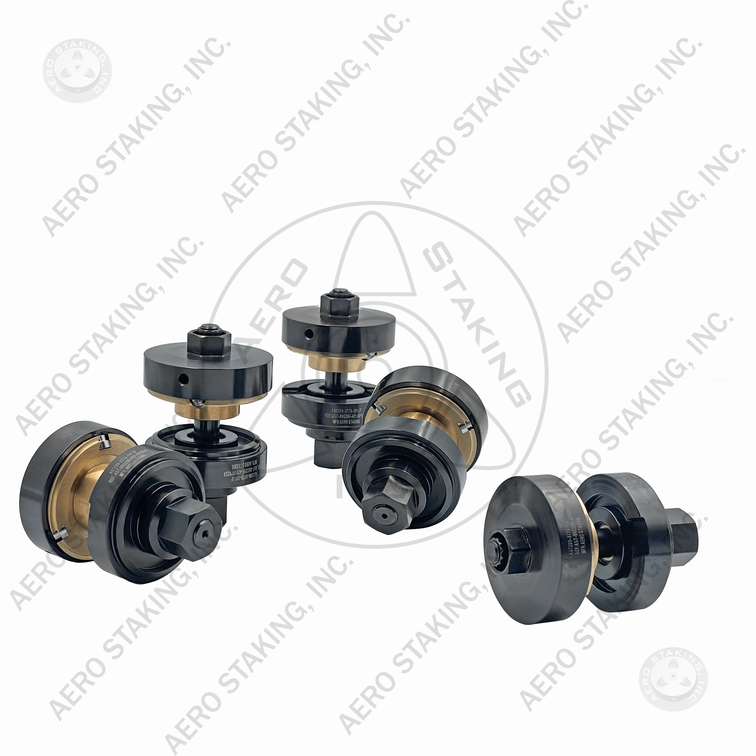
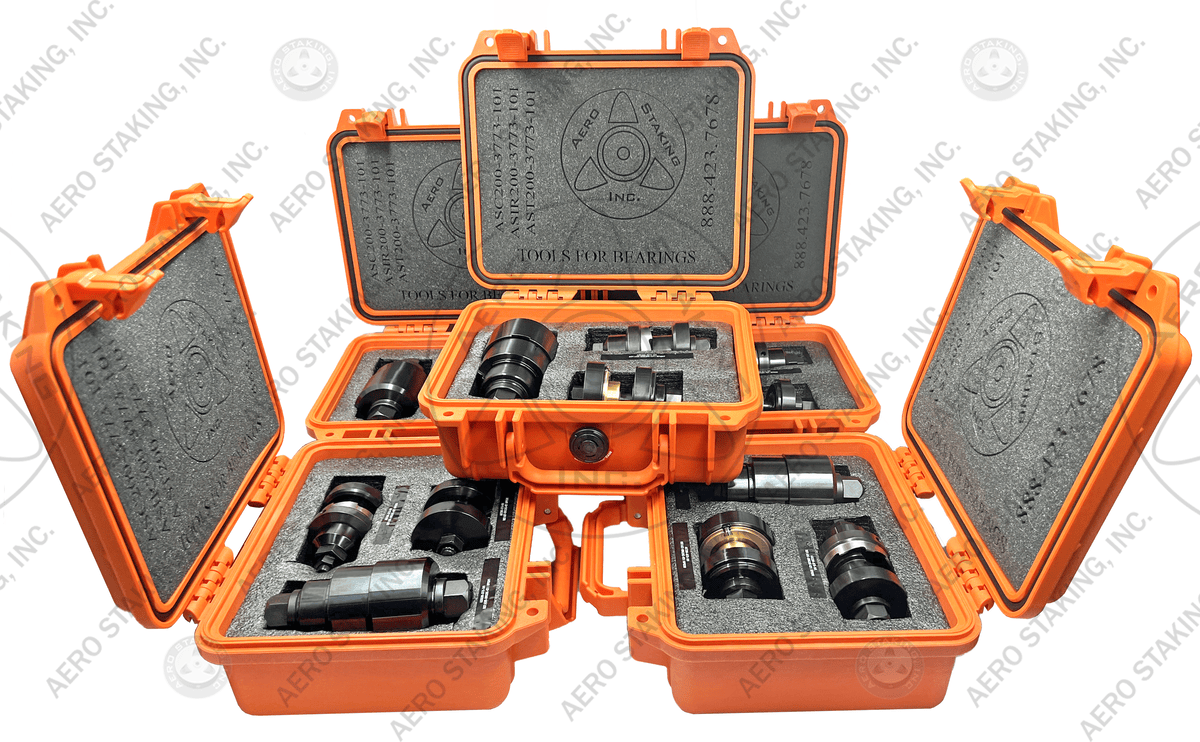
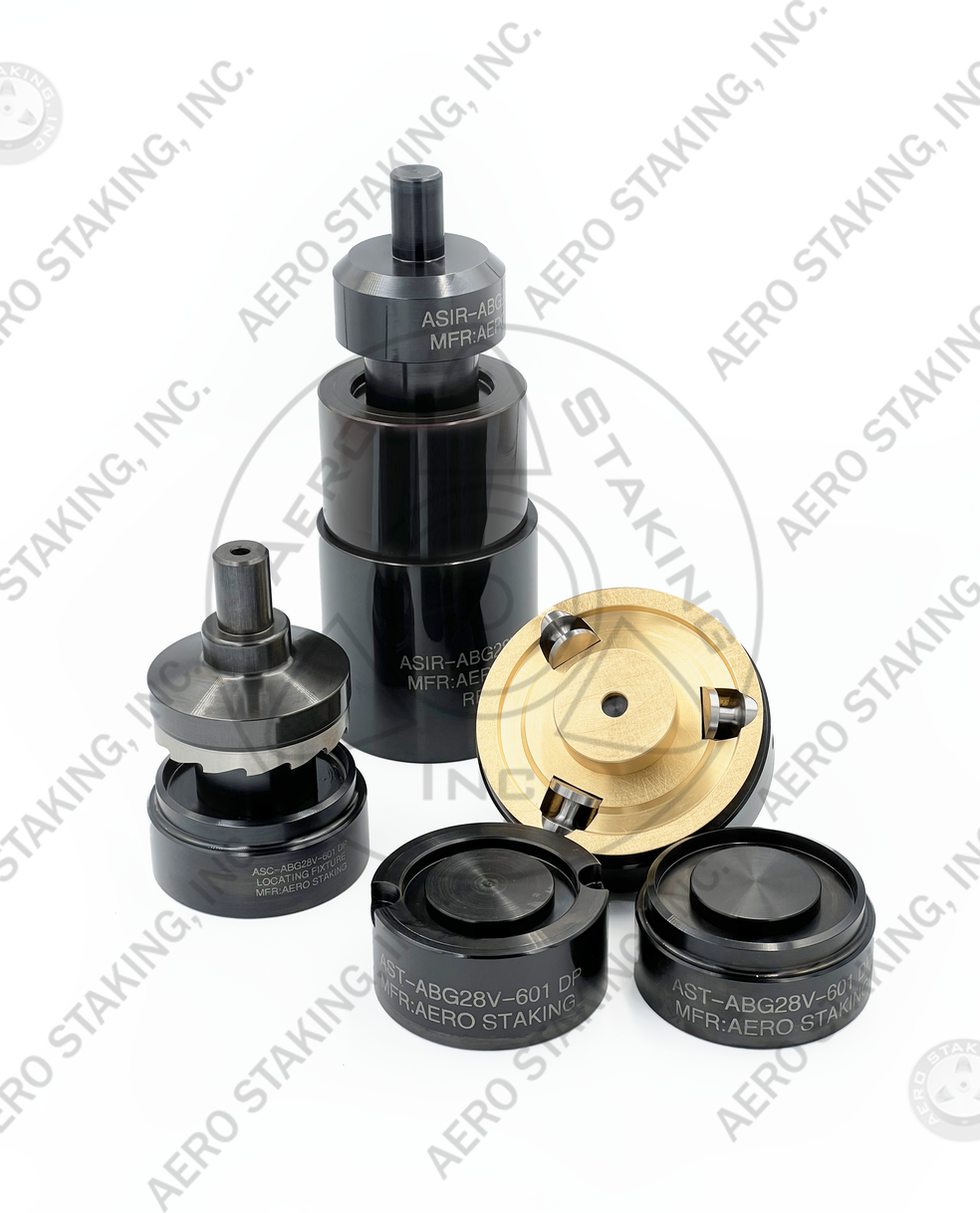
The ability to meet staking specifications consistently depends heavily on the tooling used during the process. Precision-engineered staking tools are designed to control force, depth, and deformation with high accuracy.
Custom tooling solutions are often required to:
- Match specific material properties
- Achieve repeatable results
- Comply with aerospace and MIL-SPEC standards
Applications of Staking Specifications
Staking specifications are widely used across multiple industries where secure component retention is essential.
Aerospace
Used in critical assemblies where vibration resistance and reliability are required.
Defense
Applied in systems that demand strict compliance with military standards.
Industrial Manufacturing
Used in high-volume production environments where consistency and efficiency are key.
Frequently Asked Questions (FAQs)
What are aerospace staking specifications?
What is MIL-SPEC staking?
Why are staking tolerances important?
What happens if staking specifications are not met?
What tools are used for precision staking?
RELATED PRODUCTS


Contact Us