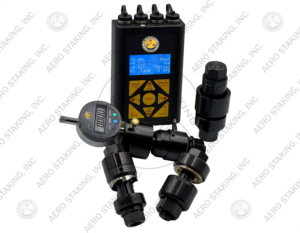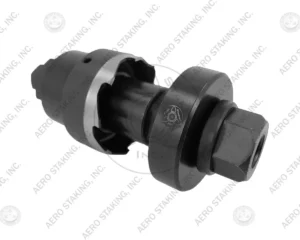



Aircraft run smoother, safer, and far more predictably when their bearings stay in great shape—and that’s exactly why bearing condition monitoring has become such a major part of modern aerospace maintenance. Instead of waiting for a failure to surprise a crew mid-mission, aviation teams now rely on smarter tools, real-time insights, and proactive strategies to minimize downtime and maintain high confidence. With bearing condition monitoring, MRO crews catch problems early, plan repairs instead of rushing through emergency fixes, and protect components that simply can’t afford to fail.
This blog walks through the tools, methods, and practical steps that make today’s monitoring programs both effective and easy to apply.
The Cost of Undetected Bearing Failures
Before getting into the tools, it helps to understand what’s at stake. Undetected bearing wear can escalate fast—from minor friction to full-blown damage. And when the component sits inside an aircraft system, the consequences go beyond a simple part replacement.
Typical risks include:
- Unplanned downtime
- Increased AOG events
- Higher repair costs
- Cascading damage to neighboring components
A strong bearing condition monitoring program is the difference between predictable performance and unpleasant surprises.
What Is Bearing Condition Monitoring?
Think of bearing condition monitoring as a health-check system for your aircraft’s rotational parts. Instead of guessing when a bearing might wear out, technicians get real-time insights through data gathered by sensors and inspection equipment.
Monitoring typically focuses on:
- Trends in vibration
- Temperature behavior
- Material wear patterns
- Lubrication condition
This early visibility supports both routine checks and broader aerospace predictive maintenance strategies.
Types of Monitoring Tools for Bearings (Vibration, Temperature, Acoustic)
A range of bearing monitoring tools helps teams evaluate performance issues before they lead to failures. Each method offers a slightly different perspective:
Vibration Monitoring
A go-to method for spotting imbalance or wear. It even ties into vibration analysis, aerospace techniques used during flight line inspections.
Temperature Monitoring
Heat spikes are an instant red flag. Consistent tracking helps technicians compare normal operating ranges with signs of distress.
Acoustic Emissions
Advanced listening systems detect changes in bearing noise—often identifying problems long before they become visible.
Combined, these bearing monitoring tools give MRO teams a clear picture of component health and support both scheduled service and preventive maintenance bearing programs.
How Monitoring Integrates with Installation and Removal Tools
Monitoring doesn’t work alone. It becomes far more effective when paired with precision tools for bearings during installation, removal, and testing stages.
Integration looks like this:
- Installing bearings with controlled force to prevent early damage
- Verifying alignment before running diagnostics
- Using removal tools to avoid unintended deformation
- Pairing monitoring signals with manual inspections
When technicians use both monitoring technology and proper tools for bearings, the lifecycle of each component increases dramatically.
Predictive vs. Preventive Maintenance: Understanding the Difference
These two strategies often get confused, but both support a healthy monitoring program.
Preventive Maintenance
- Based on the scheduled service
- Follows set intervals
- Helps reduce routine wear
Predictive Maintenance
- Based on real-time data
- Adapts to actual conditions
- Pinpoints the ideal repair timing
Modern fleets tend to blend both: aerospace predictive maintenance identifies trends, while preventive tasks keep the system fresh. Together, they support stronger aircraft bearing diagnostics and more reliable fleet performance.
Implementing a Bearing Monitoring Program
A practical monitoring program doesn’t have to be complicated. Most teams succeed by following a clear, repeatable process:
- Define components and systems to monitor
- Install the right mix of sensors
- Set acceptable operating thresholds
- Train technicians on signal interpretation
- Store and track long-term data
- Adjust your program based on findings
With these steps, technicians catch early warning signs and reduce the risk of bearing failure detection happening only after damage has spread.
Case Study: Reducing AOG Time Through Proactive Monitoring
An aerospace maintenance group implemented a structured bearing condition monitoring program across its actuator systems. With sensors tracking temperature patterns and subtle vibration shifts, the team detected early-stage bearing wear nearly 120 flight hours before reaching critical thresholds.
This proactive approach led to measurable improvements:
- Fewer mid-mission alerts
- A 30% reduction in AOG events
- Faster and more predictable maintenance scheduling
- Greater confidence in system reliability
The monitoring process built a protective margin between minor wear signals and major operational failures, highlighting the value of aerospace bearing health monitoring in everyday maintenance workflows.
Comparison Table: Monitoring Technologies
Here’s a quick breakdown of how each monitoring method supports smarter, more reliable insights into bearing conditions.
| Technology Type | Strengths | Best Use Case |
| Vibration Monitoring | Detects imbalance & wear early | Rotating systems |
| Temperature Sensors | Flags heat-related distress | Engines & gearboxes |
| Acoustic Tools | Identifies micro-fractures | Sensitive components |
| Lubrication Sensors | Tracks fluid breakdown | High-load assemblies |
Each of these contributes to a stronger bearing condition monitoring strategy and helps technicians stay ahead of unexpected issues.
Choosing the Right Monitoring Solution
Selecting the right system depends on several factors: the type of aircraft, component load, environmental conditions, and available MRO resources. Teams often choose a blend of vibration, temperature, and acoustic options to maximize coverage.
A strong monitoring solution should offer:
- Clear, repeatable data
- Easy installation
- Compatibility with other testing tools
- Reliable alerts
- Integration with inspection workflows
When combined with precision tools for bearings, monitoring systems help aircraft stay operational longer and reduce maintenance risks.
Operational Performance Insight
Bearing condition monitoring has become one of the most practical ways to keep fleets running smoothly while avoiding costly surprises. With accurate, real-time insights, technicians stay ahead of wear, reduce downtime, and take control of repair timing instead of reacting to emergencies. When bearing condition monitoring works alongside precision tools and thoughtful maintenance planning, aircraft operate with greater reliability and fewer interruptions.
If your team is ready to strengthen performance, streamline inspections, or upgrade monitoring capabilities, contact us today for expert guidance and personalized support.