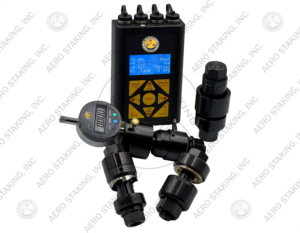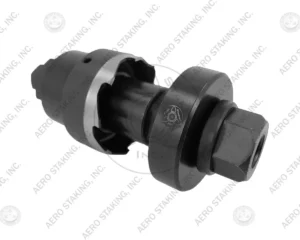



Aircraft maintenance often requires bearing extraction from assemblies where access is limited, and component protection is critical. Selecting the right bearing removal tools can reduce maintenance time, prevent housing damage, and improve overall process consistency. Aerospace engineers and MRO teams rely on specialized extraction solutions designed for precision and repeatability.
Understanding the differences between available tooling options helps maintenance personnel make informed decisions based on bearing type, accessibility, and operational requirements. Whether performing routine service or complex overhaul work, the proper extraction method plays a major role in maintenance success.
This guide compares common aerospace bearing removal solutions and explains how to choose the right tool for each application safely.
Why Proper Bearing Removal Matters in Aerospace
Removing a bearing may appear straightforward, but aerospace assemblies demand a much higher level of precision.
Improper extraction techniques can damage surrounding structures, distort housings, and create additional maintenance costs.
Organizations evaluating dedicated aerospace extraction solutions often benefit from reviewing specialized bearing removal tools developed specifically for aerospace maintenance applications.
Proper removal procedures help support:
- Component protection
- Reduced downtime
- Better maintenance consistency
- Lower replacement costs
- Improved operational efficiency
For aerospace applications, precision during removal is just as important as precision during installation.
Types of Bearing Removal Tools
Different extraction methods are designed for different maintenance scenarios. Understanding the available options helps technicians select the most effective solution.
Mechanical Pullers
A traditional bearing puller tool uses mechanical force to remove bearings from shafts or housings. These tools are often used when access is sufficient, and extraction loads remain manageable.
Advantages include:
- Simple operation
- Portable design
- Cost-effective maintenance support
However, they may not be suitable for all aerospace applications.
Bearing Removal Kits
A complete bearing removal kit typically includes multiple adapters, extraction components, and support accessories. These systems provide flexibility when servicing different bearing sizes and configurations.
Many MRO teams prefer modular kits because they support a wider range of maintenance requirements.
Blind Bearing Removal Systems
Some aerospace assemblies limit direct access to the bearing. Blind extraction systems allow technicians to remove bearings from enclosed locations without damaging surrounding structures.
These solutions are commonly used during overhaul operations.
Custom Aerospace Extraction Tooling
Certain aerospace programs require specialized tooling designed around specific assemblies.
These customized aerospace bearing tools support precise removal procedures while maintaining compliance with engineering requirements.
Manual vs Hydraulic vs Specialized Aerospace Tools
Each extraction method offers unique advantages. The best option depends on the application, bearing size, and maintenance environment.
Manual Extraction Tools
Manual systems typically use mechanical force generated by a screw-driven mechanism.
Benefits include:
- Lower cost
- Easy transportation
- Simple maintenance
These systems work well for lighter-duty applications.
Hydraulic Extraction Tools
Hydraulic systems provide significantly greater extraction force.
Advantages include:
- Reduced technician effort
- Improved extraction capability
- Better performance on difficult removals
Hydraulic tools are often selected when bearings are heavily seated or difficult to access.
Specialized Aerospace Tools
Dedicated aerospace extraction systems combine precision, repeatability, and component protection.
Unlike general-purpose tools for bearings, aerospace-specific solutions are designed to support strict maintenance procedures and engineering tolerances.
Common Risks During Bearing Extraction
Bearing removal presents several challenges. Without the correct tooling, technicians may encounter issues that affect component integrity.
Common risks include:
- Bearing race damage
- Housing distortion
- Shaft damage
- Alignment issues
- Increased labor time
- Premature component replacement
Many of these issues can be avoided through proper tool selection and process control.
Maintenance teams seeking deeper insight into recurring extraction problems can benefit from reviewing common causes discussed in our bearing performance and failure analysis resources.
How to Choose the Correct Bearing Puller Tool
Choosing the right bearing puller tool starts with understanding the application. Several factors influence tool selection.
Bearing Size and Design
Different bearings require different extraction methods. The tool should match the bearing dimensions and configuration.
Accessibility
Limited workspace often determines which extraction solution is practical. Compact tooling designs help technicians work in confined areas.
Required Extraction Force
Some bearings require minimal force. Others demand hydraulic assistance or custom extraction systems.
Maintenance Frequency
Organizations performing frequent bearing service may benefit from a complete bearing removal kit rather than individual tools.
Comprehensive tooling packages can improve efficiency across multiple applications.
Engineering Requirements
Aerospace maintenance procedures often specify approved extraction methods. Tooling should support compliance with these requirements.
Best Practices for Damage-Free Removal
Successful bearing extraction depends on both tooling and technique. Following established procedures helps reduce maintenance risks.
Best practices include:
- Inspect components before removal
- Verify tool compatibility
- Apply the extraction force evenly
- Follow approved maintenance procedures
- Avoid excessive force
- Protect adjacent components
- Document extraction results when required
Many organizations include these procedures within broader aerospace bearing maintenance best practices to improve long-term reliability.
Proper preparation often prevents avoidable damage.
Comparison Table: Bearing Removal Tool Types and Applications
| Tool Type | Primary Application | Advantages |
| Mechanical Puller | General bearing removal | Portable and cost-effective |
| Hydraulic Puller | High-force extraction | Increased power and efficiency |
| Blind Bearing Tool | Restricted-access assemblies | Improved accessibility |
| Custom Aerospace Tooling | Program-specific applications | Precision and repeatability |
| Modular Tool Kit | Multi-bearing maintenance | Flexibility and versatility |
FAQ
Q. What are bearing removal tools used for?
A. Bearing removal tools are used to safely extract bearings from assemblies without damaging surrounding components.
Q. When should a bearing removal kit be used?
A. A bearing removal kit is useful when technicians service multiple bearing sizes or configurations regularly.
Q. Are hydraulic tools better than manual pullers?
A. Not always. Hydraulic systems provide greater extraction force, but manual solutions may be sufficient for lighter applications.
Q. Why are aerospace-specific extraction tools important?
A. Aerospace tooling helps maintain precision, reduce damage risk, and support engineering standards.
Q. Can the wrong bearing puller damage a component?
A. Yes. An improperly selected bearing puller can damage housings, shafts, and adjacent components during extraction.
Q. Selecting the Right Tool Improves Aerospace Maintenance Results
A. Choosing the correct bearing removal tools helps aerospace maintenance teams perform extraction procedures safely, efficiently, and consistently. From a simple bearing puller tool to advanced aerospace extraction systems, proper tooling reduces risk and supports better maintenance outcomes. If you need help selecting the right solution for your application, contact us to discuss your aerospace tooling requirements.