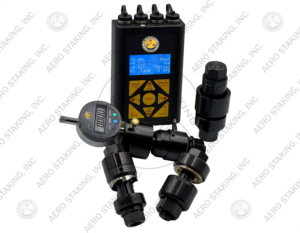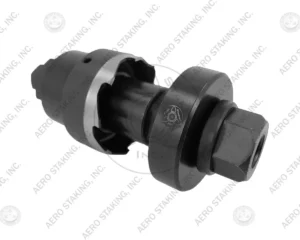


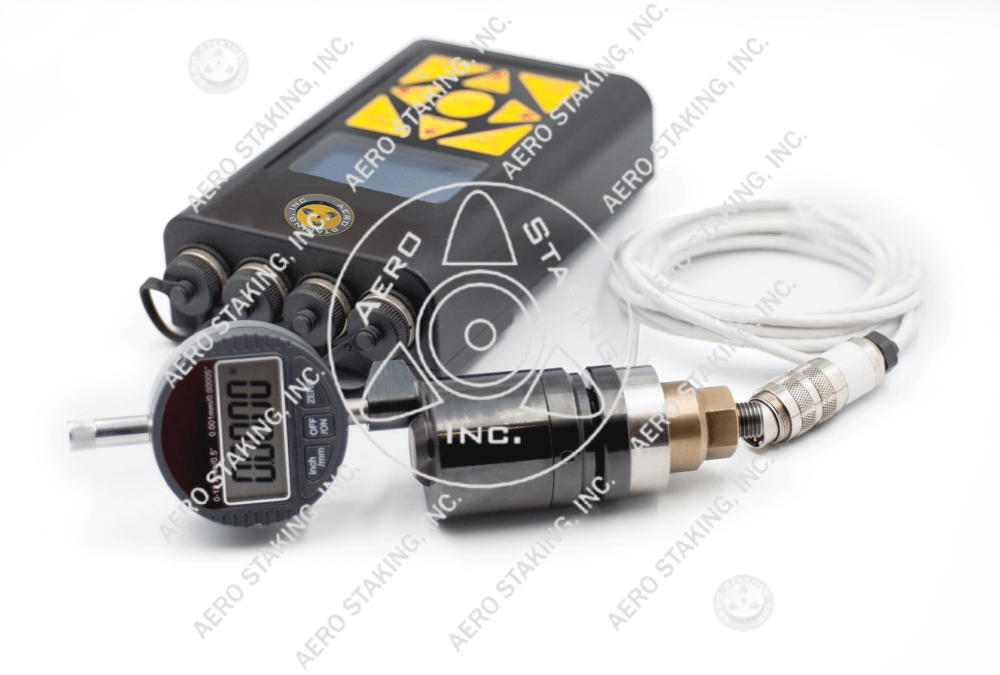
Calibration is an essential part of maintaining reliable aerospace bearing tools. Over time, repeated use, environmental conditions, and normal wear can affect tool accuracy. Even small variations may influence installation quality, dimensional tolerances, and overall process consistency. Routine inspection helps identify wear before it impacts production or maintenance activities. It also supports quality assurance programs that demand repeatable results across every operation. Organizations that prioritize calibration reduce unexpected downtime, extend tool life, and improve confidence in every assembly.
Access to precision-engineered aerospace bearing tools helps organizations maintain quality standards throughout manufacturing and MRO operations.
This guide explains why regular inspection matters, when tools should be calibrated, and how a structured maintenance program supports long-term aerospace performance and compliance.
Why Tool Calibration Matters
Aerospace manufacturing depends on precision. Every installation must meet strict tolerances, and every tool should perform consistently.
Regular calibration verifies that aerospace bearing tools continue to deliver the force, alignment, and repeatability required for demanding aerospace applications. It also reduces variation between technicians, workstations, and maintenance facilities.
How Calibration Affects Bearing Installation Accuracy
Accurate tooling produces accurate results. A tool that gradually falls outside acceptable tolerances can affect installation quality without obvious warning.
Routine calibration helps ensure bearing install tools, bearing staking tools, and bearing swaging tools continue operating within their intended specifications. This improves consistency while reducing the likelihood of rejected components or unnecessary adjustments.
Calibration also protects valuable aerospace bearings by ensuring installation forces remain controlled throughout the assembly process.
Signs That Your Tooling Needs Inspection
Waiting until a tool fails can interrupt production and increase repair costs.
Common signs that inspection is needed include:
- Inconsistent installation results
- Excessive tool wear
- Difficulty maintaining alignment
- Visible damage or corrosion
- Higher rework rates
- Irregular operating performance
Any of these conditions may indicate that bearing equipment requires inspection, servicing, or recalibration before continued use.
Recommended Calibration Intervals
Calibration frequency depends on several operational factors.
Organizations should consider:
- Tool usage frequency
- Operating environment
- Manufacturer recommendations
- Internal quality requirements
- Regulatory obligations
High-use bearing tools often require more frequent inspections than equipment used only for specialized maintenance tasks. Scheduled calibration provides a proactive approach that minimizes unexpected downtime.
Creating a Preventive Maintenance Program
An effective maintenance program extends beyond calibration.
Successful programs typically include:
- Scheduled inspections
- Routine cleaning
- Lubrication where applicable
- Wear monitoring
- Calibration records
- Planned component replacement
Combining preventive maintenance with routine calibration helps organizations protect their investment in tools for bearings while maintaining consistent operational performance.
Documentation and Compliance Best Practices
Documentation plays an important role in aerospace quality systems.
Inspection reports, calibration certificates, maintenance logs, and service histories demonstrate that aerospace bearing tools remain suitable for production and maintenance activities. Well-maintained records also simplify internal audits and support regulatory compliance requirements.
Comparison Table: Calibrated vs. Non-Calibrated Tool Performance
| Performance Factor | Calibrated Tools | Non-Calibrated Tools |
| Installation accuracy | Consistent | May vary |
| Process repeatability | High | Reduced |
| Component protection | Improved | Greater risk of damage |
| Equipment reliability | Predictable | Less consistent |
| Quality compliance | Easier to verify | More difficult to document |
Frequently Asked Questions
Why should aerospace bearing tools be calibrated?
Calibration confirms that tools continue operating within acceptable tolerances, improving installation accuracy and process consistency.
How often should bearing equipment be inspected?
Inspection intervals depend on tool usage, operating conditions, manufacturer recommendations, and internal quality procedures.
Can calibration reduce maintenance costs?
Yes. Routine calibration identifies wear early, helping prevent unexpected failures, production delays, and unnecessary repairs.
Maintain Precision Through Regular Calibration
Routine calibration keeps aerospace bearing tools performing accurately throughout their service life. Combined with preventive maintenance and documented inspections, it supports consistent results, regulatory compliance, and dependable aerospace operations. Explore Aero Staking’s Bearing Installation Tools and bearing equipment solutions, or contact our team to discuss tooling that supports your quality and maintenance objectives.