

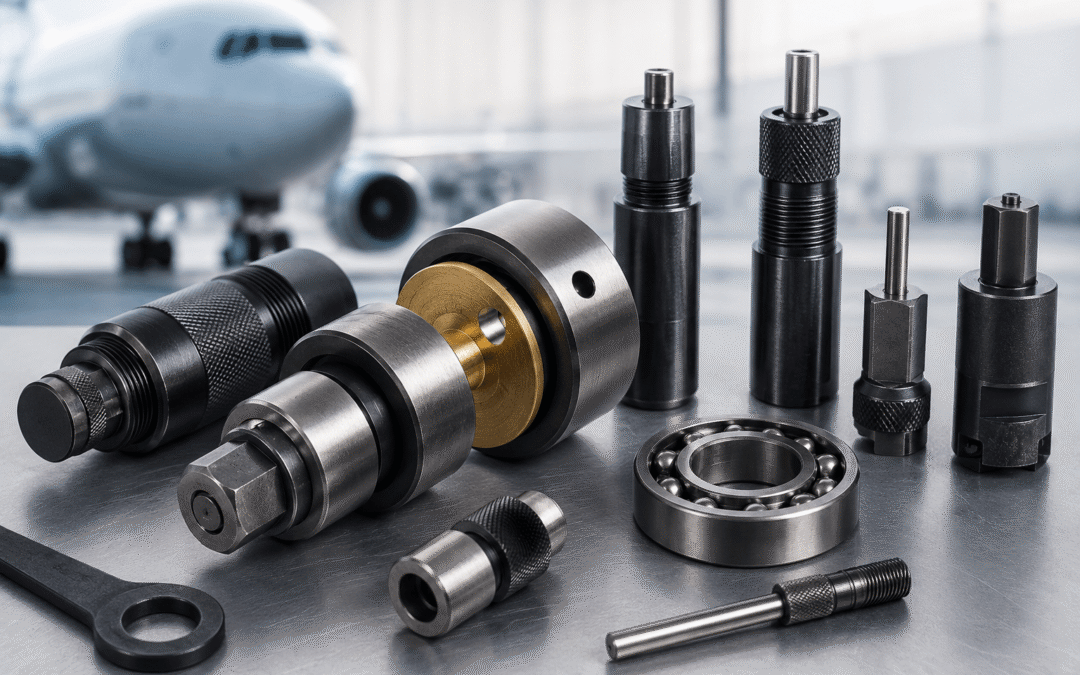
Reliable bearing tools help aerospace manufacturers and MRO teams complete production, repair, and overhaul tasks accurately. Repeated loads, debris, poor handling, and improper storage can reduce tool precision over time. A planned maintenance program helps detect damage early, prevent downtime, and protect components.
This guide explains practical cleaning, inspection, storage, and recordkeeping methods. It also shows when servicing remains suitable and when replacement offers the safer choice for demanding aerospace bearing applications and consistent results across modern daily maintenance operations.
Why Bearing Tool Maintenance Matters
Well-maintained bearing tools support accurate, repeatable work. Wear or contamination can affect alignment, force distribution, and contact with the bearing surface.
Routine maintenance also helps teams:
- Detect wear before it affects production
- Reduce unexpected equipment failures
- Protect valuable aerospace bearings
- Maintain consistent installation results
- Improve workplace organization
- Plan repairs without disrupting operations
Proper care supports the long-term reliability of complete bearing equipment. It also helps manufacturers and MRO teams control tooling costs.
Maintenance does not replace calibration. Teams should include aerospace bearing tool calibration within the broader quality program.
Common Causes of Tool Wear
Even durable aerospace bearing tools experience stress during routine use. Understanding common wear sources helps teams address problems earlier.
Repeated Loading
Installation, removal, staking, and swaging place repeated force on tooling surfaces. High-use tools may develop wear faster than occasionally used equipment.
Misalignment
Poor positioning can concentrate force on one area. This may damage contact surfaces, guides, threads, or surrounding components.
Contamination
Metal particles, old lubricant, dust, and shop debris can collect on working surfaces. Contamination may scratch components or prevent a proper fit.
Incorrect Tool Selection
Using mismatched tools for bearings can damage the tool and assembly. Technicians should confirm dimensions, specifications, and application requirements before each task.
Improper Handling
Dropping, striking, or forcing tooling can create dents, bends, and hidden damage. Small defects may reduce accuracy during later operations.
Cleaning and Inspection Best Practices
Clean bearing tools after use and before placing them in storage. Follow the manufacturer’s instructions for approved cleaners, lubricants, and corrosion protection.
Avoid harsh products that may damage coatings, seals, markings, or precision surfaces.
A basic cleaning process should include these steps:
- Remove loose chips and visible debris.
- Wipe accessible surfaces with an approved cleaner.
- Clean grooves, threads, and contact points carefully.
- Dry each component completely.
- Apply approved lubrication where required.
- Inspect the tool under adequate lighting.
- Record any unusual wear or damage.
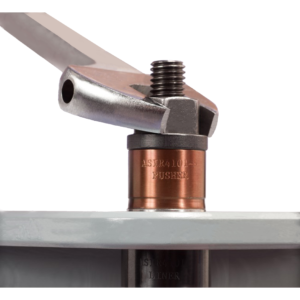
Inspect bearing install tools for burrs, surface deformation, and uneven contact marks. Check bearing removal tools for worn gripping areas, damaged threads, or distorted components.
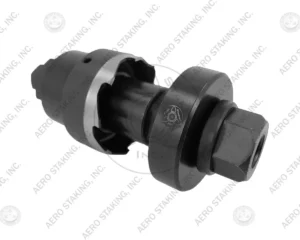
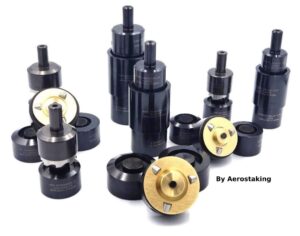
Examine bearing swaging tools and bearing staking tools for changes in their working profiles. These changes may affect retention quality and repeatability.
Never remove material from a precision surface unless an approved repair procedure permits it. Uncontrolled grinding or polishing can change critical dimensions.
Storage Recommendations
Correct storage protects aerospace bearing tools from impact, corrosion, moisture, and contamination. Clean, dry tooling should not remain loose on benches or inside shared drawers.
Use dedicated cases, trays, or cabinets with clearly marked locations. Separate tooling by application, part number, size, or process.
Effective storage practices include:
- Keeping tools in a clean, climate-controlled area
- Using protective caps on exposed threads
- Separating damaged tooling from serviceable items
- Storing matched components together
- Applying approved rust prevention products
- Keeping inspection records near the storage system
- Limiting access to trained personnel
An organized storage system also makes the correct tools for bearings easier to locate. This reduces setup time and discourages improvised tool selection.
Creating a Preventive Maintenance Schedule
A preventive schedule gives teams a consistent way to care for bearing tools. It should reflect usage frequency, operating conditions, manufacturer guidance, and internal quality requirements.
Before Each Use
Check for debris, corrosion, loose parts, cracks, burrs, and visible distortion. Confirm that identification markings remain readable.
After Each Use
Clean the tool and inspect all working surfaces. Return every component to its assigned storage location.
Monthly or Usage-Based Review
Perform a more detailed inspection based on operating cycles. High-volume facilities may need weekly or shift-based reviews instead.
Periodic Calibration
Calibrate applicable tooling according to approved intervals. Shorten those intervals when tools face frequent loads or demanding operating conditions.
Maintenance records should include:
- Tool identification number
- Inspection date
- Technician’s name
- Observed condition
- Repairs or adjustments
- Calibration status
- Next scheduled service
These records help quality teams identify recurring problems across their bearing equipment inventory.
When to Replace Bearing Tooling
Maintenance cannot restore every worn or damaged tool. Continuing to use unsuitable equipment may increase rework and place surrounding components at risk.
Remove tooling from service when you find:
- Cracks, bends, or permanent deformation
- Severe corrosion or pitting
- Damaged threads or guides
- Unapproved surface modifications
- Excessive wear on contact areas
- Repeated calibration failures
- Inconsistent results after servicing
- Missing or unreadable identification
Qualified personnel should evaluate questionable bearing tools before further use. Clearly label and isolate rejected equipment to prevent accidental return to production.
Replacement may offer better value when repair cannot restore the original dimensions or performance. Purpose-built bearing installation and removal tools can help maintain controlled processes across manufacturing and MRO applications.
Bearing Tool Maintenance Checklist
Use this checklist to support consistent daily care:
- Confirm the correct tool for the application
- Check identification and calibration status
- Inspect working surfaces before use
- Remove debris after each operation
- Use only approved cleaners and lubricants
- Dry all components before storage
- Protect threads and precision surfaces
- Record wear, damage, and maintenance
- Isolate questionable equipment immediately
- Review service intervals regularly
- Replace tooling that cannot meet requirements
FAQ
How often should aerospace tooling be inspected?
Inspect tooling before and after each use. Schedule deeper inspections according to usage, tool condition, and manufacturer recommendations.
Can dirty tooling affect bearing installation?
Yes. Debris can interfere with alignment, scratch surfaces, and create inconsistent contact during installation.
Should every tool follow the same maintenance schedule?
No. Usage frequency, tool design, working load, and operating environment should determine the interval.
Can worn tooling be repaired?
Some tooling may be repairable through an approved service. Replace it if repair cannot restore the required dimensions or performance.
Why are maintenance records important?
Records document tool condition, service history, calibration status, and replacement decisions. They also support consistent quality-control procedures.
Protect Tooling Performance Through Preventive Care
Routine cleaning, inspection, storage, and documentation help bearing tools deliver reliable results throughout their service life. To discuss precision tooling for your aerospace operations, contact Aero Staking for application-specific support.