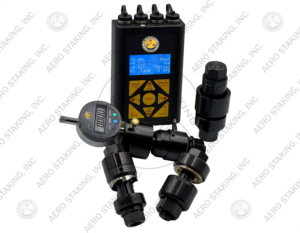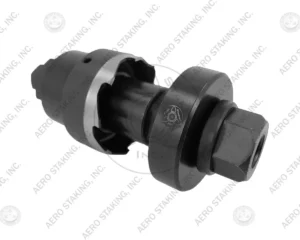



When it comes to aerospace engineering, precision is more than a requirement—it’s the heartbeat of safety and performance. Every component, down to the smallest bearing, must be installed with tools built for accuracy and reliability. That’s where aerospace bearing installation tools step in. These specialized instruments bridge the gap between human skill and aerospace demands, ensuring that bearings are secured to exacting standards.
Tools may look similar, but their performance is not. Choosing the right set can mean the difference between long-term reliability and costly maintenance.
In this guide, we’ll explore the features, compliance factors, and durability considerations that professionals should look for when selecting aerospace bearing installation tools for both manufacturing and MRO operations.
Why Tool Quality Matters in Aerospace Bearing Installation
The aerospace industry doesn’t leave much room for “close enough.” A misaligned bearing or poorly swaged race can compromise an entire assembly. This is why aerospace bearing installation tools must deliver accuracy at every step.
High-quality tools ensure:
- Precision fits that eliminate vibration and reduce wear.
- Consistent performance across multiple installations.
- Reduced downtime, since reliable tools cut repeat maintenance.
- Confidence in compliance which is critical for audits and certifications.
Without dependable tools, technicians risk bearing failure, downtime, or even safety incidents. Quality matters because aerospace doesn’t forgive mistakes.
Key Features of Bearing Swaging Tools
Swaging tools for aerospace are at the core of secure bearing installation. Their design determines whether a bearing is properly locked in place. Here are key features to consider:
- Repeatable precision: A tool should deliver the same results every time.
- Adjustability: Tools that allow fine-tuning provide flexibility for different bearing sizes.
- Durability: Aerospace environments demand equipment that can handle repeated use without degradation.
- Operator comfort: Ergonomic handles and balanced weight reduce fatigue during long installation sessions.
Technicians should also evaluate staking tools for aerospace, which complement swaging tools by securing outer races or housings. Together, they provide a complete solution for bearing installation.
Tri-Roller vs Drill Press Tools
When discussing aerospace bearing installation tools, two main categories emerge: tri-roller swaging tools and drill press swaging tools. Each has its place.
Tri-Roller Swaging Tool Features
The tri-roller swaging tool features three precision rollers that apply even pressure around the bearing’s circumference. Benefits include:
- Smooth, uniform swages.
- Reduced risk of bearing race damage.
- Portability for field and MRO use.
Drill Press Swaging Tool Aerospace
On the other hand, drill press swaging tool aerospace models are mounted systems ideal for production lines. Their strengths:
- High repeatability for large volumes.
- Greater stability and operator control.
- Integration with shop-floor jigs for efficiency.
Choosing between the two often depends on whether you need mobility for MRO aerospace tooling solutions or high-volume consistency for manufacturing lines.
Compliance with Aerospace Standards
No tool is truly aerospace-ready without compliance. Tools must align with industry frameworks such as MIL-SPEC aerospace tools and aerospace tooling certification requirements.
Why this matters:
- Safety: Non-compliant tools risk improper installations.
- Audit-readiness: Certified tools satisfy inspection requirements.
- Performance assurance: Tools built to MIL-SPEC standards ensure consistent results across aircraft types.
Leading aerospace tooling suppliers design products specifically to meet these certifications. The Aero Staking AST series, for example, is engineered with aerospace-certified tooling standards in mind, making it a trusted option for both OEMs and MROs.
Durability and Maintenance Considerations
A tool is only as good as its ability to withstand time and use. When investing in aerospace bearing installation tools, durability isn’t negotiable.
Look for:
- High-grade materials like hardened steel or aerospace alloys.
- Minimal wear components that can handle repeated torque applications.
- Serviceability: Easy replacement of wear parts saves costs.
Proper maintenance also matters. Lubrication schedules, calibration checks, and clean storage extend tool life. After all, aircraft bearing tools don’t just work once—they must perform reliably across thousands of cycles.
How to Choose the Right Tool for Your Application
With so many bearing installation equipment aerospace options, how do you pick the right fit? Here’s a step-by-step approach:
- Define the environment: Will the tool be used in high-volume manufacturing or mobile MRO fieldwork?
- Match the tool to the task: For portability, go with a tri-roller; for high-volume, choose a drill press system.
- Check certifications: Always verify aerospace tooling certification and aerospace certified tooling compliance.
- Evaluate supplier reputation: Trusted aerospace tooling suppliers provide not only tools but also training and support.
- Review lifecycle costs: Sometimes the cheapest tool costs more long-term due to maintenance and downtime.
Whether you’re equipping a production line or upgrading an MRO toolkit, selecting tools like the Aero Staking AST series ensures reliability and compliance.
FAQ: Aerospace Bearing Tools
- Why are specialized aerospace bearing installation tools necessary?
A. They deliver the precision and compliance required in aircraft assemblies, reducing failure risks. - What’s the difference between swaging tools aerospace and staking tools aerospace?
A. Swaging tools deform bearing edges for a secure fit, while staking tools reinforce housings or races. - Are MIL-SPEC aerospace tools mandatory?
A. Yes, for certified work. They guarantee alignment with aerospace standards. - How do I know if my tool has proper aerospace tooling certification?
A. Check supplier documentation. Certified tools come with paperwork confirming compliance. - Can one tool fit multiple bearing sizes?
A. Some versatile tools offer adjustable features, but always confirm compatibility. - What makes the Aero Staking AST series popular?
A. They balance compliance, precision, and durability—ideal for both OEM and MRO use.
Conclusion & CTA
In aerospace, precision isn’t optional—it’s mission-critical. That’s why selecting the right aerospace bearing installation tools is more than a purchasing decision; it’s an investment in safety, reliability, and long-term performance. From evaluating swaging tools, aerospace and staking tools aerospace to understanding tri-roller swaging tool features, drill press swaging tool aerospace options, and MIL-SPEC aerospace tools, every choice impacts how well your bearings perform under demanding conditions. Whether you’re sourcing through trusted aerospace tooling suppliers or exploring the Aero Staking AST series, look for aerospace tooling certification and durability as non-negotiable.
If you’re ready to equip your team with the most reliable aerospace bearing installation tools, contact us today to learn more about Aero Staking’s solutions for manufacturing and MRO aerospace tooling solutions.