


In aviation, the smallest parts often play the biggest roles. One of these critical yet overlooked components is the aerospace bearing retainer—a part that quietly influences how smoothly an aircraft operates and how long it remains safe in service. While passengers may never hear of them, engineers and MRO teams understand that without correctly installed retainers, essential systems such as engines, landing gear, and flight controls could face premature failure.
With decades of experience, Aero Staking emphasizes the importance of these retainers, explaining why precision in installation is vital for maximizing aircraft performance, ensuring safety, and extending service longevity.
This blog provides an in-depth look at its functions, benefits, standards, and the tools that make reliable installation possible.
What Are Aerospace Bearing Retainers?
At the core, aerospace bearing retainers are components designed to hold rolling elements, such as balls or rollers, in place inside a bearing. Think of them as the “organizers” of the bearing world. Without them, the rolling elements would collide, jam, or wear unevenly—leading to serious performance issues.
These retainers aren’t one-size-fits-all. In bearing retainer aerospace applications, their design changes depending on the aircraft system they serve. For example:
- Engines: Retainers keep high-speed bearings aligned, reducing friction and heat.
- Landing gear: They support durability under massive loads during takeoff and landing.
- Flight controls: They enable smooth, precise movements, which directly affect pilot control.
While they may appear simple, the role they play in aircraft bearing performance is anything but.
Functions of Bearing Retainers in Aircraft Systems
So, why are these components so critical? Here are the main functions that keep aviation systems dependable:
- Alignment and Spacing
Retainers ensure each rolling element remains evenly spaced. This prevents collisions and reduces stress across the bearing surface. - Load Distribution
Proper retainers balance the forces in a bearing, contributing to consistent aerospace bearing longevity. - Friction Reduction
By minimizing direct contact between rolling elements, retainers keep bearings cooler and quieter, which is vital for safety and comfort. - Durability Under Stress
Aircraft endure extreme conditions. Retainers designed to MIL-SPEC retainer standards guarantee performance under high loads and rapid speeds.
The message is clear: without strong retainers, bearings wouldn’t just wear faster—they could fail outright, jeopardizing aerospace bearing safety.
Advantages of Properly Installed Retainers
Installation is where engineering precision meets safety. When retainers are installed with the right methods, tools, and training, the benefits extend far beyond just meeting regulations.
- Extended Component Life: Following aerospace bearing installation methods ensures longer service intervals.
- Fewer Replacements: Reduced need for aerospace MRO bearing replacement saves time and costs.
- Improved Reliability: Proper use of retainer installation tools means fewer in-flight maintenance concerns.
- Better Fuel Efficiency: Smooth, friction-reduced operations support overall aircraft efficiency.
In essence, installing retainers correctly doesn’t just protect bearings—it safeguards entire fleets.
Common Problems from Improper Retainer Use
Unfortunately, cutting corners in retainer installation can lead to serious consequences. Some common issues include:
- Premature Wear: Improper fit can shorten the lifespan of even precision aerospace bearings.
- Excessive Heat: Incorrect spacing creates friction and overheating.
- Vibration and Noise: Retainers installed without bearing installation best practices aerospace standards, often cause uneven rolling and vibration.
- Compliance Failures: Missing FAA compliance, aerospace bearings guidelines risks, failed audits, and grounded aircraft.
What seems like a minor shortcut during installation can quickly snowball into costly downtime and damaged reputations.
Aerospace Standards Governing Bearing Retainers
Aviation doesn’t operate without rules, and bearing retainers fall under strict standards.
- FAA compliance aerospace bearings ensure that installation and maintenance practices protect flight safety.
- MIL-SPEC retainer standards require military-level durability, often exceeding civilian requirements.
- EASA regulations (working alongside the FAA) guarantee that bearing installation best practices are followed across global fleets.
These standards aren’t just about paperwork. They exist because real-world accidents and failures have proven the dangers of poor retainer installation. Meeting them is both a technical and moral obligation in aviation.
How Aero Staking Tools Ensure Retainer Precision
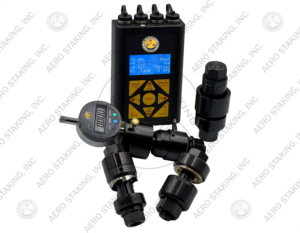
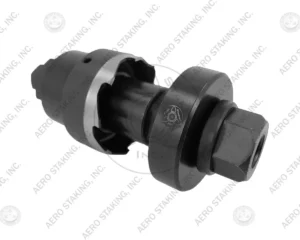
When it comes to installation, the right tools make all the difference. Aero Staking tooling for retainers is specifically designed to help technicians meet compliance and achieve repeatable, high-precision results.
Why Aero Staking tools matter:
- Consistency: They eliminate human error, ensuring that each retainer installation matches the specification.
- Compliance: Built to align with FAA compliance, aerospace bearings, and MIL-SPEC retainer standards.
- Efficiency: Reduce rework and speed up the aerospace MRO bearing replacement process.
- Innovation: Tools evolve with industry demands, supporting the latest designs in bearing retainer aerospace applications.
With trusted tools in hand, engineers can focus on performance rather than worrying about installation errors.
FAQ: Aerospace Bearing Retainers
Q: Why are aerospace bearing retainers so important?
A: Because they maintain alignment, reduce friction, and extend aircraft bearing performance life cycles.
Q: What happens if retainers are installed incorrectly?
A: Failures range from early wear to compliance penalties, jeopardizing aerospace bearing safety.
Q: Which tools are best for retainer installation?
A: Specialized retainer installation tools, such as Aero Staking tooling for retainers, guarantee precision and compliance.
Q: Do retainers really impact aerospace bearing longevity?
A: Yes. Proper retainers extend life, reduce aerospace MRO bearing replacement, and ensure smoother operations.
Q: How do industry standards affect bearing retainer use?
A: Standards such as FAA compliance, aerospace bearings, and MIL-SPEC retainer standards set strict guidelines that ensure safety, reliability, and uniform performance across global aerospace fleets.
Final Thoughts & CTA
At first glance, aerospace bearing retainers may look small, but their impact on aviation performance and reliability is enormous. They ensure smooth rolling, reduce wear, and safeguard entire aircraft systems. By following aerospace bearing installation methods, using retainer installation tools, and aligning with FAA compliance aerospace bearings and MIL-SPEC retainer standards, engineers guarantee both safety and efficiency.
For aviation teams, investing in quality retainers and tools is about more than compliance—it’s about trust in every flight. If your organization values performance, longevity, and compliance, explore Aero Staking’s proven solutions for aerospace bearing retainers and contact us today to discuss your needs.