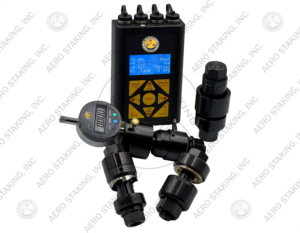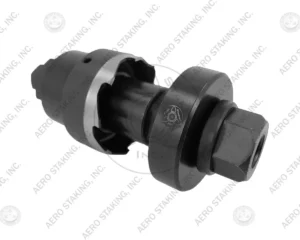



Precision defines aerospace engineering. Even the smallest installation error can affect structural performance, vibration control, and long-term reliability. Bearings are especially sensitive to installation tolerances. When they are installed slightly off-center or with incorrect force, they may wear prematurely or lose retention strength. That is why aerospace technicians rely on specialized bearing installation tools designed for accurate and controlled installation. Proper tooling helps maintain tight tolerances measured in microns, protecting both the bearing and its housing. Many maintenance teams rely on professional bearing installation and removal tools to ensure consistent installation results. Understanding how bearing installation tools support precise tolerances helps engineers improve bearing performance and avoid costly maintenance issues.
Why Installation Tolerances Are Critical in Aerospace
Aircraft systems rely on extremely tight dimensional standards. Even minor deviations can affect alignment and mechanical balance. Accurate installation protects both the bearing and the surrounding structure. Specialized bearing install tools help technicians maintain correct force and positioning during installation.
Improper installation can lead to:
- Increased vibration
- Uneven load distribution
- Premature wear of aerospace bearings
- Reduced retention strength
Professional bearing equipment helps technicians maintain precision across maintenance operations.
Understanding Fit Classes and Interference Levels
Aerospace assemblies use carefully engineered fit classes to hold bearings securely in place. Interference fit occurs when the bearing diameter is slightly larger than the housing bore. Controlled installation force is required to seat the bearing without damaging surrounding material.
Technicians rely on precision bearing press tool systems to apply consistent pressure during installation. This process protects the housing while maintaining alignment.
Using professional tools for bearings ensures installation force remains within acceptable engineering tolerances.
How Improper Tolerances Affect Bearing Life
When tolerances are incorrect, bearing performance quickly declines.
Common consequences include:
- Increased friction
- Noise and vibration during operation
- Reduced the lifespan of aerospace bearings
- Loss of structural retention
Even small tolerance deviations can reduce operational reliability. That is why many aerospace programs rely on specialized bearing installation tools to control installation accuracy.
Proper bearing tools ensure the bearing seats evenly without placing unnecessary stress on the housing.
The Role of Bearing Press Tools in Controlled Installation
Installation force must remain controlled and evenly distributed. A precision bearing press tool applies pressure directly along the bearing axis. This prevents distortion and ensures the component seats correctly.
Engineers often evaluate custom solutions when working with difficult installations. Resources such as custom bearing press tool solutions help teams design tooling that matches specific aerospace assemblies.
Many technicians also rely on modular bearing press kit systems to support multiple installation tasks. Using proper bearing install tools improves installation consistency across maintenance operations.
Measuring and Verifying Installation Accuracy
Precision installation requires verification after the bearing is installed.
Technicians often check:
- Alignment of the bearing seat
- Proper interference fit
- Rotational smoothness
Professional bearing equipment allows technicians to monitor installation force and alignment throughout the process. In many aerospace maintenance environments, technicians also rely on standardized tooling systems described in the aerospace bearing equipment overview, which explains how specialized installation equipment supports accurate procedures.
Using advanced aerospace bearing tools helps maintain consistent results.
Preventing Misalignment and Retention Failures
Misalignment remains one of the most common installation issues.
Incorrect installation may lead to:
- Bearing rotation inside the housing
- Structural stress around the bearing seat
- Reduced load capacity
Controlled bearing staking methods sometimes help secure bearings after installation. However, correct installation tolerances must exist before retention methods are applied.
Using accurate bearing install tools reduces the chance of these problems.
Comparison Table: Correct vs Incorrect Installation Scenarios
| Installation Factor | Correct Installation | Incorrect Installation |
| Alignment | Precise and centered | Slightly offset |
| Installation force | Controlled with the press tool | Uneven force |
| Bearing seating | Even and stable | Partial seating |
| Long-term performance | Reliable operation | Premature wear |
Using professional bearing install tools ensures the correct installation scenario.
FAQ
Q. Why are installation tolerances important for aerospace bearings?
A. Precise tolerances prevent misalignment, vibration, and premature wear in aerospace bearings.
Q. What tools control installation force?
A. Technicians typically use a bearing press tool or other specialized bearing install tools to apply controlled pressure.
Q. What happens if bearings are installed incorrectly?
A. Improper installation may lead to vibration, reduced lifespan, or housing damage.
Q. Do aerospace installations require specialized tooling?
A. Yes. Professional bearing equipment and aerospace bearing tools are designed for high-precision installation environments.
Final Thoughts
Micron-level tolerances play a major role in aerospace reliability. Using proper bearing install tools helps technicians maintain alignment, protect housings, and extend the life of aerospace bearings.
If your team wants to improve installation accuracy or evaluate specialized tooling, contact our team to discuss professional aerospace tooling solutions.