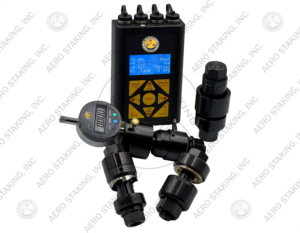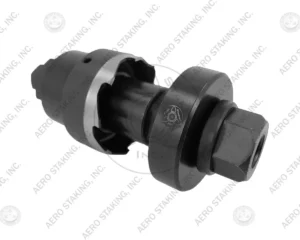



Reliable tooling is essential for accurate aerospace manufacturing and maintenance. Over time, even high-quality bearing tools experience wear from repeated use, environmental exposure, and improper handling. Without routine maintenance, tool performance can decline, affecting installation accuracy and increasing the risk of component damage. A preventive maintenance program helps keep tooling in good working condition, supports consistent production, and reduces unexpected downtime. Regular cleaning, inspection, and proper storage also extend equipment service life while protecting your investment.
This guide explains practical maintenance practices that help aerospace manufacturers and MRO teams maximize the performance and longevity of their bearing tooling.
Why Bearing Tool Maintenance Matters
Every aerospace installation depends on tooling that performs consistently. Worn or damaged tools can affect bearing alignment, reduce installation accuracy, and slow production.
Routine maintenance helps identify problems before they become costly repairs or production delays. It also keeps bearing equipment operating as intended, supporting reliable assembly processes and consistent quality.
Well-maintained aerospace bearing tools also reduce the likelihood of premature replacement, helping manufacturers control long-term operating costs.
Common Causes of Tool Wear
Even durable tooling is subject to gradual wear. Understanding the causes helps maintenance teams take preventive action before performance declines.
Common sources of wear include:
- Frequent production cycles
- Improper handling
- Dirt, debris, or contamination
- Moisture and corrosion
- Incorrect tool selection
- Poor storage conditions
Using the correct tools for bearings for each application also minimizes unnecessary stress and helps preserve tool performance.
Cleaning and Inspection Best Practices
Cleaning should be part of every maintenance routine. Dirt, metal particles, and residue can affect tool operation and increase wear over time.
After each use:
- Remove dirt and debris.
- Wipe exposed surfaces with approved cleaning materials.
- Inspect for visible damage or excessive wear.
- Check moving parts for smooth operation.
- Verify that critical surfaces remain free from defects.
Regular inspections should also confirm that bearing install tools, Bearing Removal Tools, and other specialized equipment remain suitable for continued use.
Addressing minor issues early helps prevent larger maintenance problems later.
Storage Recommendations
Proper storage is just as important as routine cleaning.
Store tooling in a clean, dry environment where it is protected from dust, moisture, and accidental impact. Organized storage also reduces the risk of misplaced or damaged equipment.
Good storage practices include:
- Keep tools in designated storage cases.
- Protect precision surfaces from contact damage.
- Separate tooling by application or size.
- Store equipment away from moisture.
- Label storage locations for easy identification.
These simple practices help maintain the condition of valuable aerospace tooling between production cycles.
Creating a Preventive Maintenance Schedule
A preventive maintenance schedule keeps inspections and servicing consistent throughout the year.
The maintenance frequency depends on production volume, operating conditions, and how often tooling is used. High-use equipment may require more frequent inspections than tools used occasionally.
An effective maintenance program should include:
- Scheduled visual inspections
- Routine cleaning
- Wear assessments
- Calibration verification when required
- Maintenance documentation
Keeping detailed service records also helps identify recurring issues and supports better maintenance planning.
When to Replace Bearing Tooling
Maintenance can extend tool life, but no tooling lasts forever.
Replace bearing tools when inspections reveal excessive wear, visible damage, reduced accuracy, or performance issues that cannot be corrected through routine maintenance.
Replacement may also be necessary when tooling no longer meets current production requirements or engineering specifications.
For specialized applications, replacing worn bearing staking tools or bearing swaging tools at the appropriate time helps maintain reliable assembly quality and protects critical aerospace components.
Maintenance Checklist
| Maintenance Task | Recommended Action |
| Visual inspection | Check for wear, cracks, and damage |
| Cleaning | Remove debris after each use |
| Moving components | Verify smooth operation |
| Precision surfaces | Inspect for scratches or deformation |
| Storage | Keep clean, dry, and protected |
| Service records | Document inspections and maintenance |
| Tool replacement | Replace worn or damaged tooling promptly |
Frequently Asked Questions
Why is bearing tool maintenance important?
Routine maintenance helps bearing tools perform accurately, reduces downtime, and extends equipment service life.
How often should aerospace bearing tools be inspected?
Inspection frequency depends on usage, but heavily used tooling should be checked regularly as part of a preventive maintenance program.
What is the best way to store bearing equipment?
Store bearing equipment in a clean, dry location using protective cases or designated storage systems to prevent damage.
Should bearing install tools be cleaned after every use?
Yes. Cleaning bearing install tools after each use helps remove debris and reduces long-term wear.
When should bearing tooling be replaced?
Replace tooling when wear, damage, or reduced performance affects installation accuracy or prevents it from meeting production requirements.
Protect Your Investment with Proper Tool Maintenance
Routine maintenance helps bearing tools deliver dependable performance throughout their service life. Regular inspections, proper cleaning, and organized storage reduce wear while supporting accurate aerospace manufacturing and maintenance. Aero Staking provides durable tooling solutions designed for demanding aerospace applications.
Explore our Bearing Equipment, Bearing Installation Tools, Bearing Removal Tools, and Aerospace Bearing Tool Calibration resources, or contact us today to discuss your tooling requirements or request a quote.