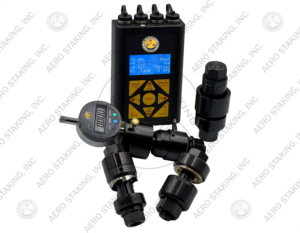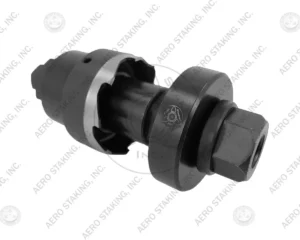



When an aircraft stops moving, everything else stops with it—and that’s when portable bearing tools become the quiet heroes of the maintenance world. These tools are built for moments when waiting isn’t an option, whether it’s a late-night AOG call or an unexpected hiccup on the tarmac. With portable bearing tools, technicians get the freedom to work in tight spaces, handle urgent installation or removals, and keep aircraft moving without dragging everything back to a full hangar setup.
Modern fleets depend on speed, precision, and mobility, and portable bearing tools give maintenance teams the confidence to take action fast, fix problems on the spot, and get aircraft back in the air with minimum fuss.
The Critical Minutes of an AOG Situation
AOG events always seem to happen at the worst time—right before a scheduled departure or during a quick turnaround. Decisions get made fast, and tools must deliver immediate results.
Technicians responding to field repair bearings need tools that handle real pressure: confined spaces, unexpected corrosion, awkward angles, and time working against them. Portable bearing tools become essential in these moments because they combine accuracy with mobility. For crews who work remotely, at outstations, or across large flight lines, these portable tools determine whether an aircraft sits grounded for hours or is back in service in minutes.
What Makes a Bearing Tool “Field-Ready”?
Not every tool makes the cut for on-the-go repairs. Field-ready equipment must do the same job as hangar tools but without luxuries like benches, jigs, or heavy hydraulic systems.
A field-ready tool must be:
- Lightweight
- Easy to transport
- Strong enough for repeated loads
- Fast to set up
- Safe to operate in unpredictable environments
Teams often combine aircraft maintenance tools with mobile aerospace tooling to create a reliable system they can count on during urgent calls. When everything must work the first time, portable bearing tools play a crucial role.
Essential Tools for Bearings in Field Repair Kits
A well-equipped field kit covers installation, removal, testing, and temporary stabilization. When designing kits for field repair bearings, technicians lean on tools that cover every scenario.
A complete kit often includes:
- Alignment sleeves
- Portable press adaptors
- Compact extractors
- Gauges and fit-check tools
- Lubrication supplies
- Swaging or staking attachments
- Inspection mirrors and flashlights
Each tool fills a gap in the field process, making portable bearing tools adaptable enough for almost any AOG challenge.
Portable Bearing Removal Tool Requirements and Best Practices
Removal tools take on the hardest jobs, especially when bearings sit deep inside housings or have seized due to heat or wear. A high-quality bearing removal tool must balance grip strength with precision to avoid damaging surrounding components.
Best practices include:
- Using extractors sized for the exact bearing
- Applying controlled force to prevent cracking
- Keeping backup adapters in the emergency bearing tool kit
- Training teams to recognize early wear so removal becomes easier
With the right portable bearing tools, even stubborn parts in awkward positions become manageable. When paired with on-site bearing repair, crews work faster and safer.
Portable Installation Tools: Swaging and Staking in the Field
Installing bearings outside the hangar requires stability, accuracy, and low-impact force. Modern portable bearing installation tool systems allow technicians to perform swaging, staking, and press-fit installations even when space is limited.
Portable installation tools support:
- Controlled deformation
- Straight-line force
- Protection for thin-walled housings
- Precision alignment in uneven environments
These systems combine the reliability of hangar equipment with the mobility of AOG bearing tools, making on-site installation possible without sacrificing quality.
Weight, Size, and Durability Considerations
Technicians don’t want to haul around a suitcase full of heavy metal components. Smart kit design focuses on compact, durable tools that withstand field abuse.
Key considerations include:
- Tough alloys that resist corrosion
- Configurations that fit into backpacks or rolling cases
- Tools that assemble quickly in the field
- Lightweight adapters for aircraft maintenance tools
A good set of portable bearing tools stays tough enough for daily use but light enough to move across airports, hangars, or remote stations.
Building the Complete Field Service Kit
Mobile maintenance success depends on having the right mix of equipment. A complete kit includes removers, installers, safety tools, diagnostics, and stabilizing components.
A typical emergency bearing tool kit may contain:
- Portable extractors
- Swaging/staking adapters
- Torque-limited drivers
- Miniature visual inspection tools
- Portable hydraulic or mechanical actuators
- Extra sleeves and contact points
- Field-calibrated force indicators
Together, these tools allow technicians to perform on-site bearing repair with the same confidence as a controlled hangar environment. Once organized into a cohesive unit, portable bearing tools become the backbone of mobile aerospace support teams.
Case Study: Successful AOG Resolution with Portable Tools
A regional airline faced a ground stop when a landing gear actuator bearing seized minutes before scheduled pushback. With passengers onboard and no access to a hangar, the maintenance crew turned to portable bearing tools supplied in the field kit.
A compact bearing removal tool made it possible to extract the damaged bearing without removing the entire actuator assembly. A portable bearing installation tool then installed the replacement part with precision, and alignment checks were completed quickly using a field repair bearings gauge.
Outcome:
- Aircraft returned to service in under 45 minutes
- No towing or aircraft repositioning required
- Zero secondary component damage
- Stronger technician confidence in mobile aerospace tooling
This demonstrates how AOG bearing tools convert a high-pressure delay into a fast, successful on-site repair—showing the reliability and value of expertly engineered portable solutions.
Comparison Table: Hangar Tools vs. Field Tools
| Feature | Hangar Tools | Portable Bearing Tools |
| Mobility | Low | High |
| Setup Time | Moderate | Very fast |
| Tool Weight | Heavy | Lightweight |
| Power Requirements | Often needed | Rarely needed |
| Ideal Use | Major repairs | AOG, remote repairs |
| Adaptability | Limited | Highly flexible |
| Included in Kits | Large sets | Emergency bearing tool kit |
Maintenance and Storage of Portable Tool Kits
Portable tools go through more travel, temperature shifts, and general wear than standard equipment. Proper care ensures longevity and reliability.
Tips include:
- Clean tools immediately after field use
- Store in a moisture-protected case
- Inspect extractor threads and sleeves regularly
- Replace worn adapters in your on-site bearing repair kit
- Keep calibration updated for mission-critical aircraft maintenance tools
With consistent upkeep, portable bearing tools maintain accuracy and performance across countless AOG events.
FAQ
Q. Are portable tools as strong as hangar tools?
- Yes, modern mobile aerospace tooling is engineered to match hangar-grade performance.
Q. Can portable kits support all bearing types?
- No, one kit per bearing size
Q. Do portable tools require training?
- Yes—especially for swaging, staking, and precision installation work using a portable bearing installation tool.
Next Steps
Aviation doesn’t slow down, and portable bearing tools give technicians the speed, confidence, and adaptability needed for on-site repairs. Whether handling emergencies, tight spaces, or unexpected failures, portable bearing tools support fast resolutions and keep aircraft flying safely. To equip your team with reliable mobile tools or build a complete field kit, contact us today.