

When it comes to aircraft safety and performance, every detail counts. That’s why precision bearing installation, aerospace, is more than just a process—it’s a responsibility. In aviation, one poorly installed bearing can mean misaligned systems, vibration issues, or even critical failures. Engineers, technicians, and MRO professionals all share the same goal: getting it right the first time. Whether you’re working in a hangar, a cleanroom, or on the assembly line, mastering precision bearing installation in aerospace is about consistency, compliance, and confidence.
In this guide, we’ll break down best practices, tooling insights, torque requirements, and inspection methods that keep the skies safe and reliable.
Why Precision Matters in Aerospace Bearing Installation
Aircraft operate under extreme conditions—altitude, temperature swings, and constant vibration. That’s why aerospace bearing installation best practices aren’t optional; they’re vital. Every bearing must meet strict aircraft bearing tolerance standards set by MIL-SPEC bearing tolerances and enforced through FAA bearing installation compliance.
When precision is overlooked, small issues can cascade into larger failures:
- Increased wear due to uneven loads.
- Vibration damage is spreading through critical assemblies.
- Costly MRO interventions and downtime.
By following aerospace MRO best practices, you not only extend component life but also maintain compliance with aerospace bearing compliance standards. Precision means safety in the air and efficiency on the ground.
Key Tools for Precision Bearing Installation
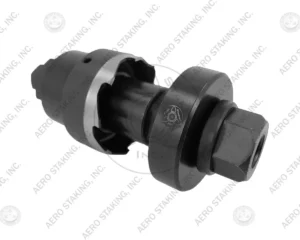
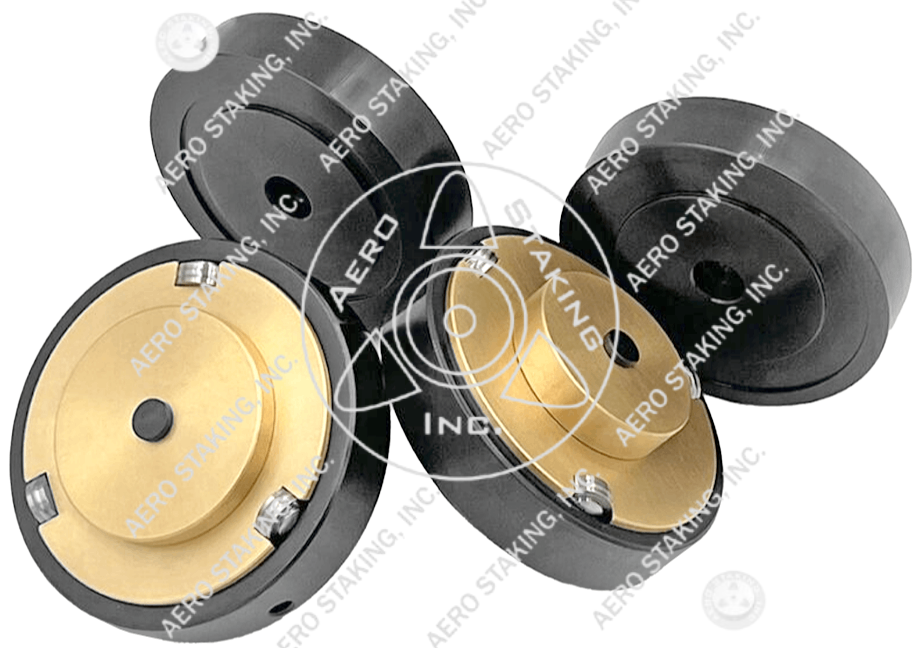
Having the right tools is at the core of successful precision bearing installation aerospace. Without proper equipment, even skilled technicians risk inconsistency and costly errors. Bearing installation tooling aerospace solutions are engineered to deliver uniform results while meeting the tight tolerances demanded by aviation standards. Specialized devices such as bearing swaging tools and precision staking aerospace bearing equipment are designed to lock components securely in place without distorting delicate structures.
Key Tooling Considerations Include:
- Aero Staking tools aerospace – Trusted across the industry for reliable swaging and staking operations.
- Torque-controlled wrenches – Critical for maintaining exact torque values of aerospace bearings during installation.
- Cleanroom-grade equipment – Required for sensitive applications where cleanroom bearing installation is the standard.
When equipped with the right setup, technicians can perform even the most complex tasks with confidence, repeatable precision, and long-term reliability.
Torque Control and Tolerance Requirements
One of the most underestimated yet critical aspects of precision bearing installation, aerospace is torque management. Applying the wrong torque values to aerospace bearings doesn’t just risk a minor issue—it can trigger a chain of problems that compromise both safety and reliability. Too much torque leads to over-compression, which strains bearing races and causes heat buildup. Too little torque results in misalignment, vibration, and eventual premature wear that can ground an aircraft long before its expected service life.
Best practices include:
- Using calibrated torque wrenches only. Precision tools ensure accuracy and eliminate guesswork.
- Cross-referencing specifications with MIL-SPEC bearing tolerances. Compliance with documented standards guarantees consistency across installations.
- Verifying settings during FAA bearing installation inspections. Double-checks reduce the margin for error and support compliance audits.
Maintaining correct torque values is never optional. It’s the foundation of balancing strict aircraft bearing tolerance requirements with performance demands. When torque control is handled properly, installations remain consistent, compliant, and built to last under real-world aerospace conditions.
Inspection and Quality Assurance in Bearing Installation
Once bearings are installed, they must undergo strict aerospace bearing inspection protocols. This step confirms that the installation meets both aerospace bearing compliance standards and customer requirements.
Quality assurance typically includes:
- Dimensional checks to confirm tolerances.
- Visual inspections for signs of damage.
- Functional tests in cleanroom bearing installation environments.
- Documentation aligned with aerospace MRO best practices.
Inspection is where errors are caught, and compliance is confirmed. It’s not just paperwork—it’s proof that the installation is flight-ready.
Common Errors That Compromise Precision
Even the most experienced technicians can run into challenges during precision bearing installation, aerospace. The smallest misstep can set off a chain of issues, which is why awareness is often the best line of defense. When time is short or conditions are less than ideal, mistakes creep in that can shorten bearing life and risk compliance.
Some frequent mistakes include:
- Skipping aerospace bearing installation best practices due to time pressure. Rushing can lead to misalignment and overlooked inspection steps.
- Using incorrect bearing installation tooling in aerospace setups. The wrong tool can distort housings or damage bearing surfaces.
- Ignoring torque values in aerospace bearings, leading to failures. Improper torque creates stress points that cause early wear.
- Contaminating parts during cleanroom bearing installation. Even tiny particles compromise lubrication and precision fits.
Avoiding these pitfalls protects your bottom line, safeguards your reputation, and most importantly, keeps aircraft compliant with FAA bearing installation rules and strict aerospace bearing compliance standards. Precision isn’t just technical—it’s a professional discipline.
FAQ: Aerospace Bearing Installation Precision
Q1: Why is precision so critical in aerospace bearings?
A. Because even tiny deviations from aircraft bearing tolerance can lead to major mechanical issues and jeopardize safety.
Q2: What tools are recommended?
A. Professionals trust Aero Staking tools for aerospace, along with bearing swaging tools and precision staking of aerospace bearings for reliability.
Q3: How do inspections fit into the process?
A. Aerospace bearing inspection confirms compliance with MIL-SPEC bearing tolerances and ensures long-term reliability.
Q4: Can MRO shops follow the same practices as OEMs?
A. Yes. By adopting aerospace MRO best practices, repair stations can maintain the same standards as manufacturers.
Conclusion & CTA
From tooling to torque, inspection to compliance, achieving precision bearing installation, aerospace requires more than technical skill—it requires discipline, planning, and the right equipment. By following aerospace bearing installation best practices, monitoring torque values of aerospace bearings, and performing detailed aerospace bearing inspections, you safeguard aircraft performance and ensure long service life. Whether it’s cleanroom bearing installation or field-level MRO, the same principles apply.
Aero Staking provides the industry-trusted solutions that make this possible. For expertise, reliable Aero Staking tools, aerospace, and guidance on precision staking aerospace bearings, contact us today to keep your aerospace operations precise, compliant, and ready for flight.