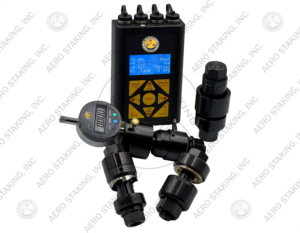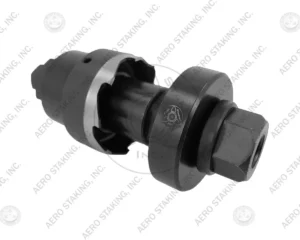


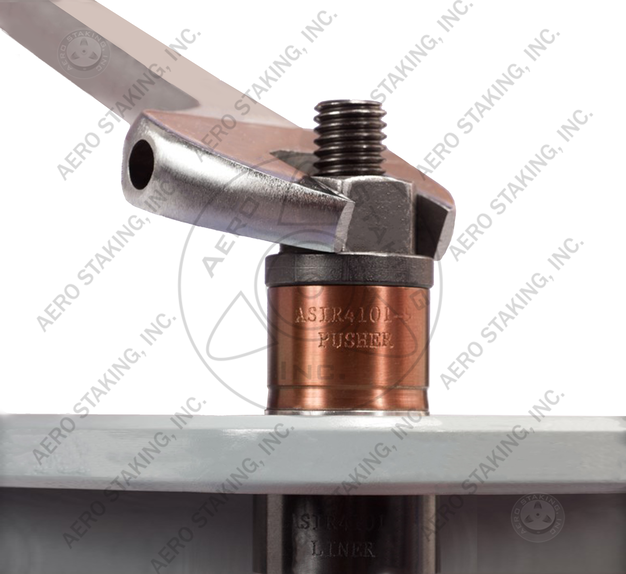
In aerospace manufacturing and MRO environments, consistency is not optional. Small variations in installation can lead to costly rework, reduced component life, and compliance risks.
That is why teams rely on bearing install tools to create repeatable, controlled processes across different locations and operators. When installation methods vary, performance becomes unpredictable. Standardizing procedures helps align teams, improve quality, and reduce downtime.
This guide explains how aerospace organizations can unify their workflows, choose the right tooling, and train teams for consistent results. With the right approach, bearing install tools become the foundation for accuracy, efficiency, and long-term reliability across every installation task.
Why Standardization Matters in Aerospace Bearing Installation
Aerospace systems demand precision. Even slight deviations can affect safety and performance.
Standardizing with bearing install tools helps teams:
- Maintain consistent force and alignment
- Reduce variation between operators
- Improve lifecycle performance of aerospace bearings
- Meet strict compliance and inspection requirements
Without standardization, even skilled teams produce inconsistent results.
Common Challenges Caused by Inconsistent Installation Methods
When teams use different techniques, problems appear quickly.
Common issues include:
- Misalignment during installation
- Uneven load distribution
- Premature bearing wear
- Increased rework and downtime
In many cases, the root problem is not skill. It is the lack of unified tools for bearings and process control.
Creating a Standardized Bearing Installation Workflow
A repeatable workflow starts with clarity and structure.
A strong process includes:
- Defined installation steps for each application
- Approved bearing installation tools for every task
- Documented force and alignment requirements
- Clear inspection checkpoints
Teams that follow a shared workflow reduce guesswork. They also improve coordination between engineering and production.
Selecting the Right Bearing Install Tools Across Teams
Tool selection directly affects consistency. Using the same bearing installation tooling systems across teams creates alignment from the start.
Key considerations:
- Application-specific fit and geometry
- Controlled force delivery using a bearing press tool
- Compatibility with different assemblies
- Durability for repeated aerospace use
Standardizing bearing equipment removes variability and builds confidence in every installation.
Training Operators for Repeatable Results
Even the best tools require proper use.
Training should focus on:
- Correct handling of bearing press kit systems
- Understanding force application and alignment
- Recognizing early signs of installation errors
- Following standardized procedures every time
Hands-on training ensures operators use bearing tools consistently, regardless of experience level.
Quality Assurance and Documentation Best Practices
Quality control closes the loop on standardization.
Best practices include:
- Recording installation parameters for traceability
- Using inspection checklists for each step
- Aligning with aerospace QA standards
- Reviewing process data regularly
Teams that combine aerospace bearing tools with structured QA improve consistency, traceability, and overall aerospace bearing equipment management.
Comparison Table: Standardized vs Non-Standardized Processes
| Factor | Standardized Process | Non-Standardized Process |
| Installation Accuracy | High and repeatable | Varies by operator |
| Tool Usage | Unified bearing install tools | Mixed or inconsistent |
| Rework Rate | Low | High |
| Training Time | Structured and faster | Inconsistent learning |
| Quality Control | Documented and traceable | Limited visibility |
| Efficiency | Predictable workflow | Delays and uncertainty |
FAQ
Why are bearing install tools important in aerospace?
They control force and alignment, reducing errors and improving repeatability.
Can different teams use different bearing equipment?
It is possible, but it often leads to inconsistent results and higher rework.
What is the role of a bearing press tool?
It applies controlled force, helping achieve precise and uniform installation.
How do aerospace bearing tools improve quality?
They standardize the process, making results consistent across operators and locations.
Do standardized processes reduce training time?
Yes. Clear workflows and consistent tools make training faster and more effective.
Final Thoughts
Standardization brings clarity, control, and confidence to every installation. By aligning teams around the same bearing install tools, aerospace operations reduce errors and improve long-term performance.
If you are ready to improve consistency across your teams, explore your options or request a quote to get started with the right solution.